

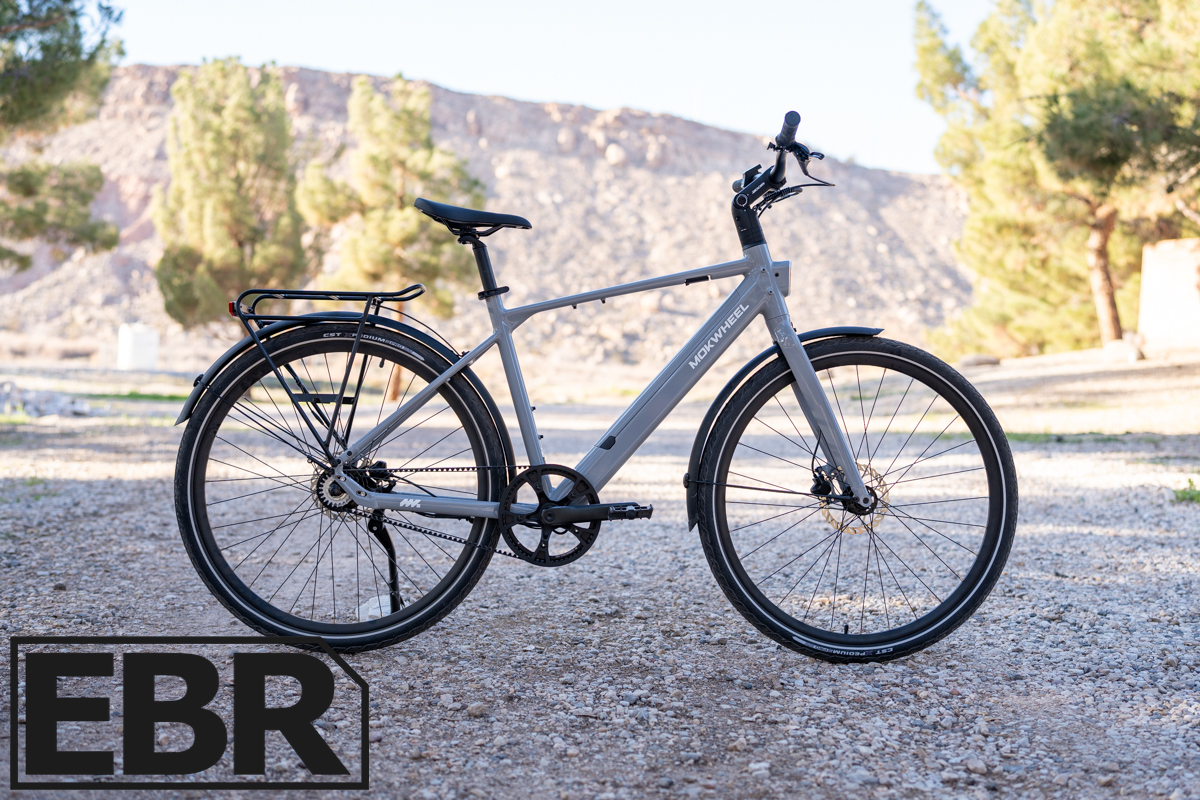
Mokwheel has been carving out a niche in the value-minded ebike market, mostly known for their fat-tire models that prioritize fun over fuss. The Flint Pro is their departure from that playbook in this new city commuter that weighs just 31 pounds and runs a Gates carbon belt drive instead of a traditional chain.
At $1,399, it’s undercutting most belt-drive bikes by a significant margin while packing in features like dual torque and cadence sensors, Tektro hydraulic brakes, and a respectable 40Nm of torque from its 500W peak motor. The catch? It’s a single-speed setup, which means Mokwheel is betting you live somewhere flat and prefer simplicity over gearing options.
The real question is whether that trade-off makes sense for the typical rider looking at bikes in this price range, and whether a 39-pound ebike with 50-70 miles of claimed range can actually handle daily commuting duties without leaving you wishing for a few extra cogs.
My Experience Riding The Mokwheel Flint Pro E-Bike
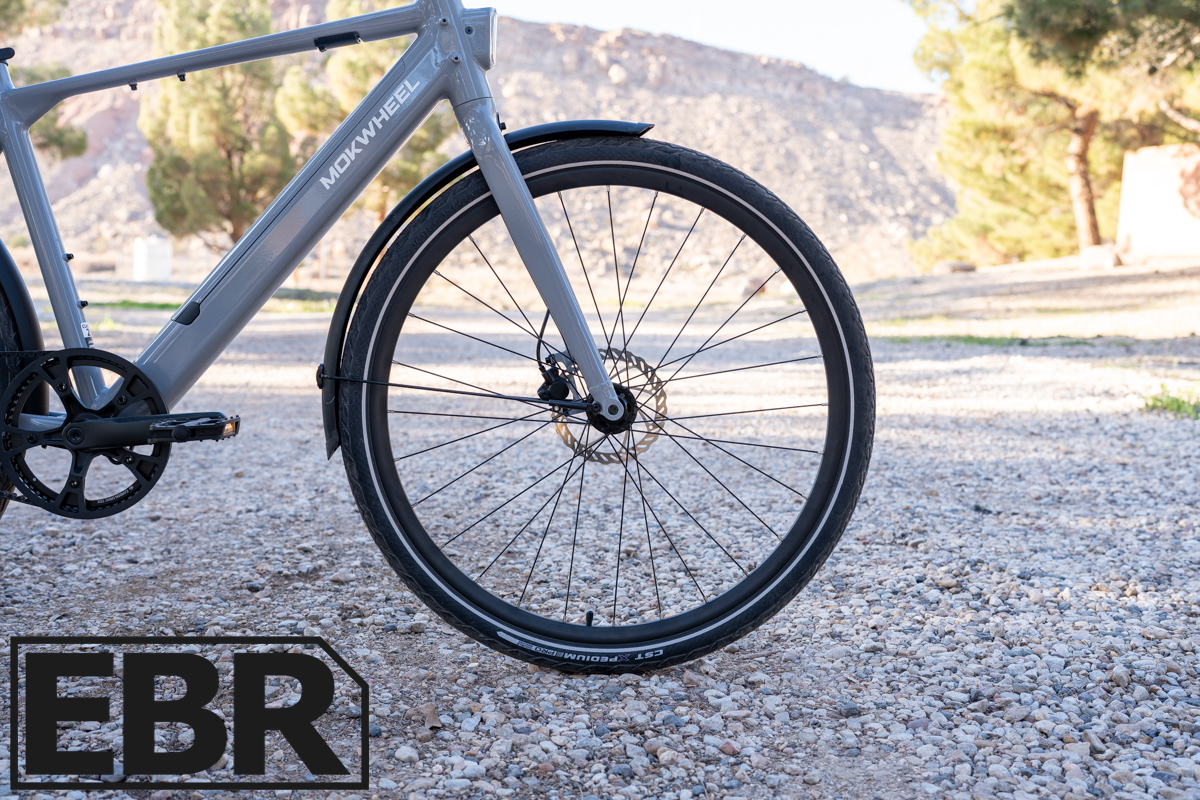
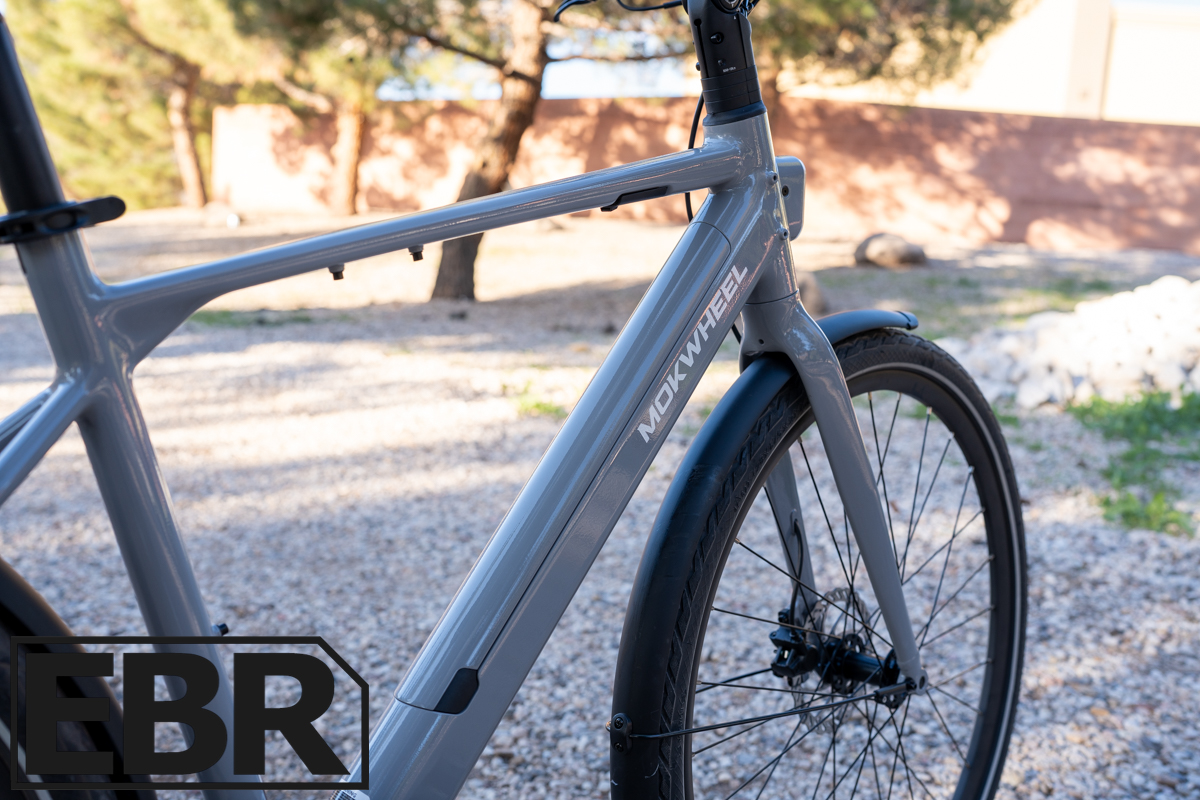
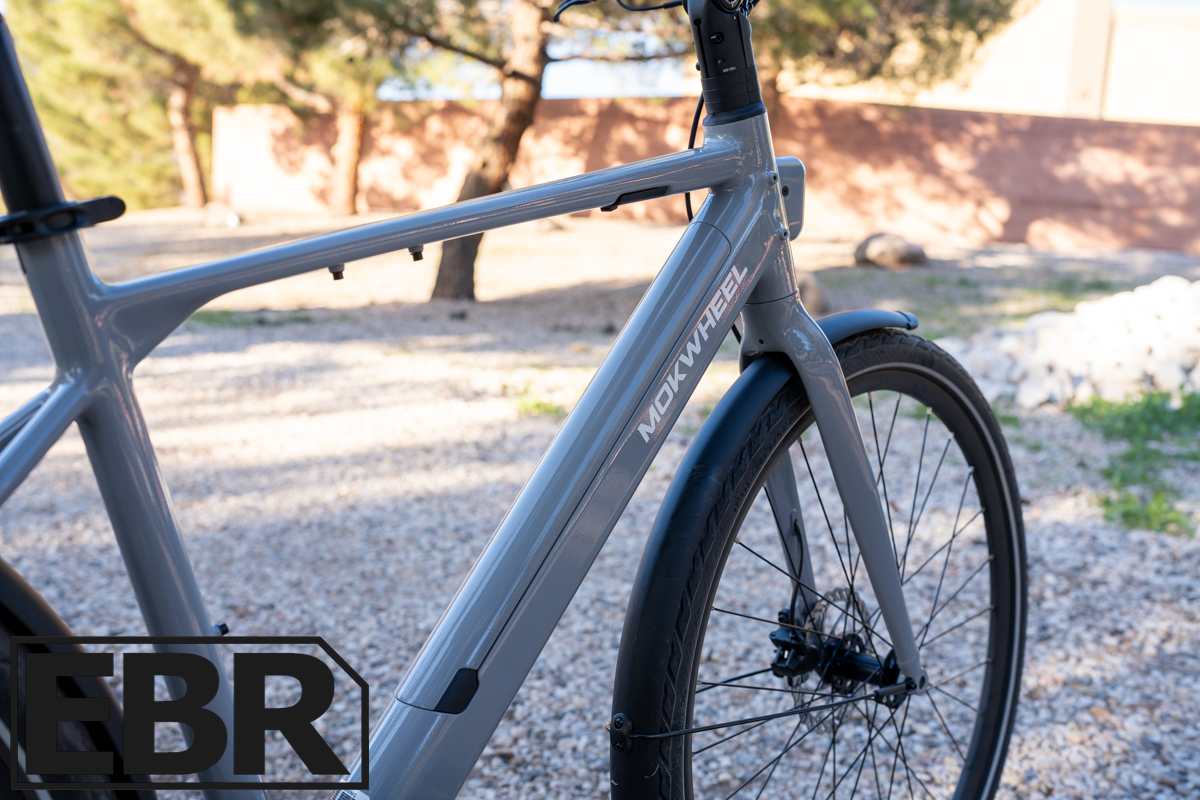
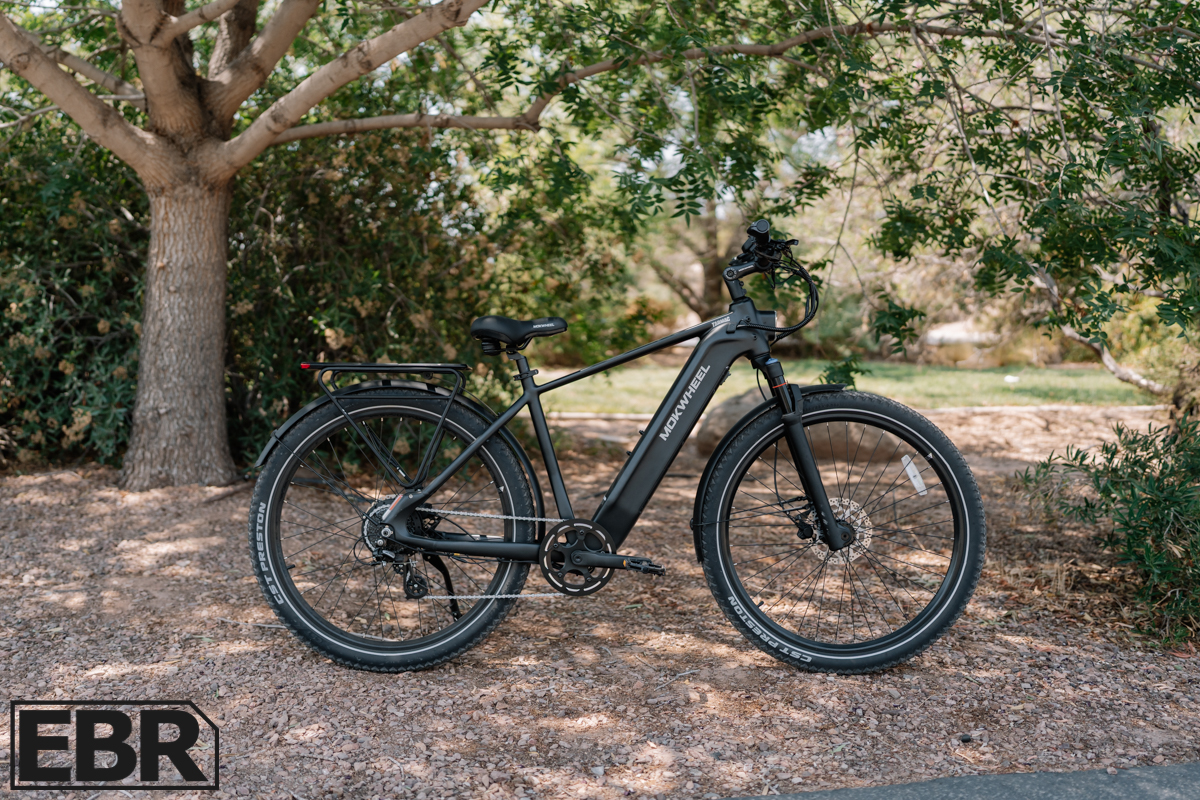
The Flint Pro makes a strong first impression before you even throw a leg over it. This is a good-looking bike with sleek lines, a clean cockpit, internal cable routing, and minimal frame bloat. The integrated battery is so slim that you’d be hard-pressed to identify this as an ebike at a glance. I tested the grey colorway, but Mokwheel offers four other options ranging from subdued black to brighter orange and blue if you want something that stands out more.
At 5’11”, I fell right in the middle of Mokwheel’s claimed 5’5″ to 6’7″ fit range, and the bike felt dialed in from the start. The 90-degree adjustable stem does heavy lifting here, both for achieving proper fit and for changing your riding position on the fly. You can slam it forward and lean into the flat bar for a more aggressive stance, or bring it up and raise your upper body for a relaxed cruise. You won’t get a true Dutch city bike posture where you’re sitting bolt upright, but you can get close. If you really wanted to commit to comfort, swapping in a cruiser-style handlebar would give you that full upright geometry, and it’s nice to have that flexibility built in.
If the 30-inch standover height seems like too much of a commitment for your inseam or mobility, the Flint ST step-through version drops that down to just 17 inches. That model also comes with a suspension fork and a more upright cruiser handlebar, so Mokwheel has clearly thought through different rider priorities across the lineup.
Out on the road, the Flint Pro feels surprisingly easy to pedal even without battery assist, thanks to its lightweight design and smart gearing ratios with the 60T/22T single-speed setup. The Gates carbon belt drive is silent and smooth, which pairs perfectly with the 250W motor that peaks at 500W and delivers 40Nm of torque. The torque sensor provides natural power delivery that matches your pedal effort without feeling jerky or robotic. Mokwheel nailed the motor tuning here. The bike operates quietly and smoothly, at least on the powertrain side.
The high-step Flint Pro runs a rigid frame with no suspension, which keeps things lighter and slimmer but means you feel more road vibrations through your hands, lower back, and sit bones when you hit rougher pavement. It’s not constant, just a subtle reminder when you encounter those inevitable road imperfections. On smoother sections, the bike simply glides. Again, if this is a concern, the ST version with its suspension fork leans harder into comfort over weight savings.
Speaking of vibrations, the test unit I received had a bit of wiggle room between the battery and its cover, which led to some unwanted rattling noise on bumpier sections. A small piece of adhesive foam stripping applied to the battery cover filled that gap and quieted things right up. It’s a minor fix, but worth mentioning for anyone who’s bothered by extraneous noise.
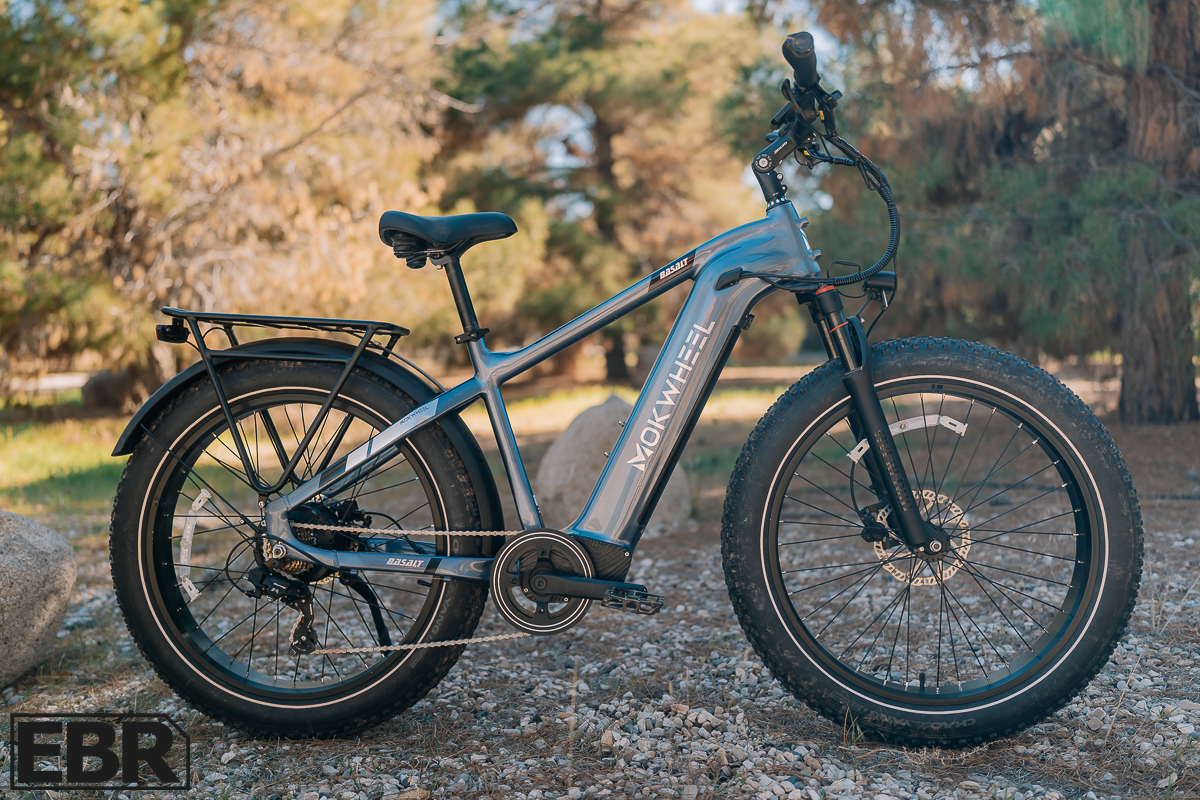
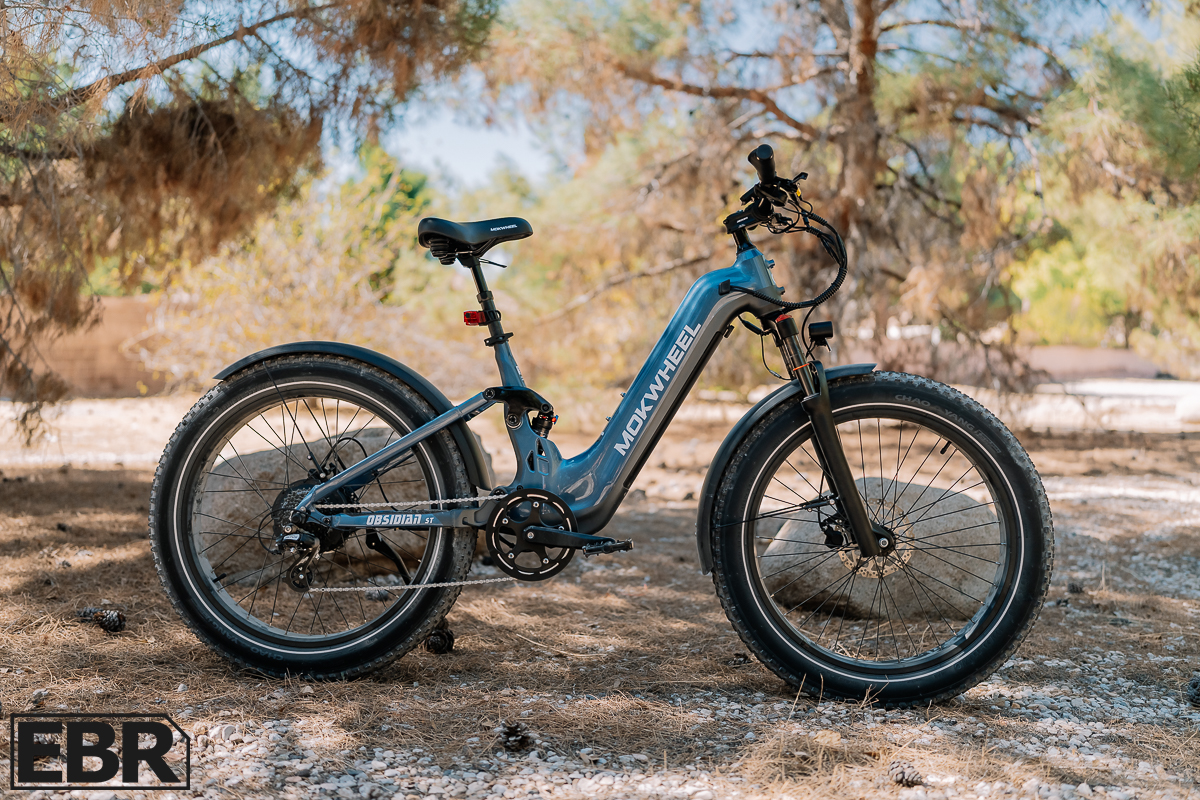
Power-wise, the 250W motor is surprisingly capable for what looks like a modest spec on paper. With the single-speed setup, once you’re up and pedaling, it takes very little effort to maintain a comfortable cruise in the 14 to 16 mph range, which is the sweet spot for commuting and recreational riding. This bike wasn’t built to be a speed demon, as evidenced by the lack of a throttle and the relatively modest motor output, but that’s intentional. Mokwheel has plenty of monster rigs in their lineup if you want raw power. Check out the Basalt, Obsidian, or Onyx models for that.
Overall, the Flint Pro feels like an ebike built for people who don’t really want an ebike, if that makes sense. For daily commutes where you want to take the edge off without sacrificing fitness or arriving drenched in sweat, the Flint Pro delivers exactly what it promises.
Range
Estimated Range (from Mokwheel): 50 – 70 miles
Real World Range Test Results:
- Minimum Assistance Range test: 61 miles
- Maximum Assistance Range test: 41 miles
To get a realistic picture of what the Flint Pro can do, we ran two separate range tests: one focused on minimal assistance and another at maximum power to bracket the real-world expectations.
For the low-power test, we initially tried PAS 1 but found the assistance too minimal to maintain any decent pace. Bumping up to PAS 2 gave us enough support to keep an average speed around 11 mph without working too hard, and we managed to cover 61 miles before the battery gave out. That’s actually at the top end of Mokwheel’s claimed range, which is impressive given that we weren’t babying it.
The high-power test told a different story but still delivered solid results. Running PAS 5 the entire time, we hit 42 miles before needing a recharge. For context, that’s with full assistance doing most of the work while maintaining higher speeds throughout the ride.
Both tests were run with a rider weight between 180 and 200 lbs on a route with elevation changes, not the flat pancake courses that manufacturers use for their marketing numbers. The fact that a 360Wh battery can deliver these results speaks to the efficiency of the Gates belt drive and the relatively light weight of the bike. You’re not going to get 70 miles unless you’re barely using the motor, but 40 to 60 miles is a realistic expectation for most riders depending on how much assistance you’re pulling.
Power (Motor & Battery)
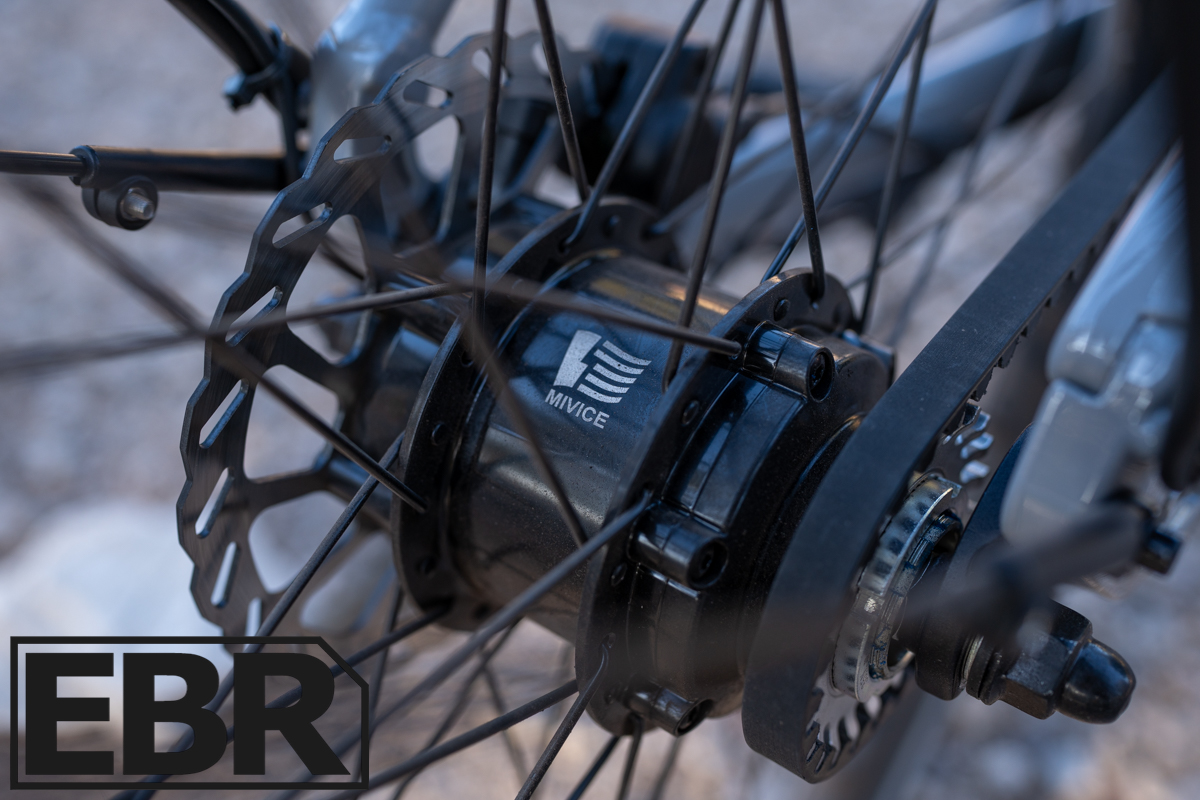
The motor on the Flint Pro is virtually silent and features a smooth torque sensor that responds naturally to your pedal input. If you live in an area with typical mild elevation changes, the bike handles them without breaking a sweat. Steeper hills are a different story. You’ll need to come out of the saddle and contribute some real effort to keep momentum going. This is a 250W motor that peaks at 500W and pushes 40Nm of torque, which is a nice setup for mild assistance on your daily ride rather than a bike that does all the work for you.
It feels like a fitness e-bike in practice. There’s no throttle to bail you out when your legs are tired, and with the torque sensor doing its thing, you can work as easy or as hard as you want and the motor will match your effort accordingly. As a lifelong cyclist, I appreciate this style of ebike because it keeps you engaged and honest about putting in some work. But for riders who crave raw power and speed, this isn’t the bike. It’s designed to assist, not replace, your pedaling.
The battery is a 36V system with 10Ah for a total of 360Wh. It’s fully integrated into the frame, and from a distance you’d never guess there’s a battery pack hidden in that sleek tubing. This is another detail I appreciate about the Flint Pro. The battery carries an IPX7 water resistance rating, meaning heavy rain won’t bother your ride. It might bother you, but your bike won’t care. The battery is also UL 2271 certified, which provides peace of mind when it comes to charging safety.
The bike ships with a set of keys that lock the battery into the frame or allow you to remove it for off-bike charging or storage. The Flint Pro comes with a 2A charger and uses a unique charging port located on the underside of the top tube. There’s a cover that keeps it out of sight when not in use, and you flip it open to plug in the charger. It’s a new style to me, but it feels more durable than the cheaper barrel-style chargers that tend to get bent and broken over time. This design looks like it’ll hold up to daily use, which matters when you’re charging frequently.
Components
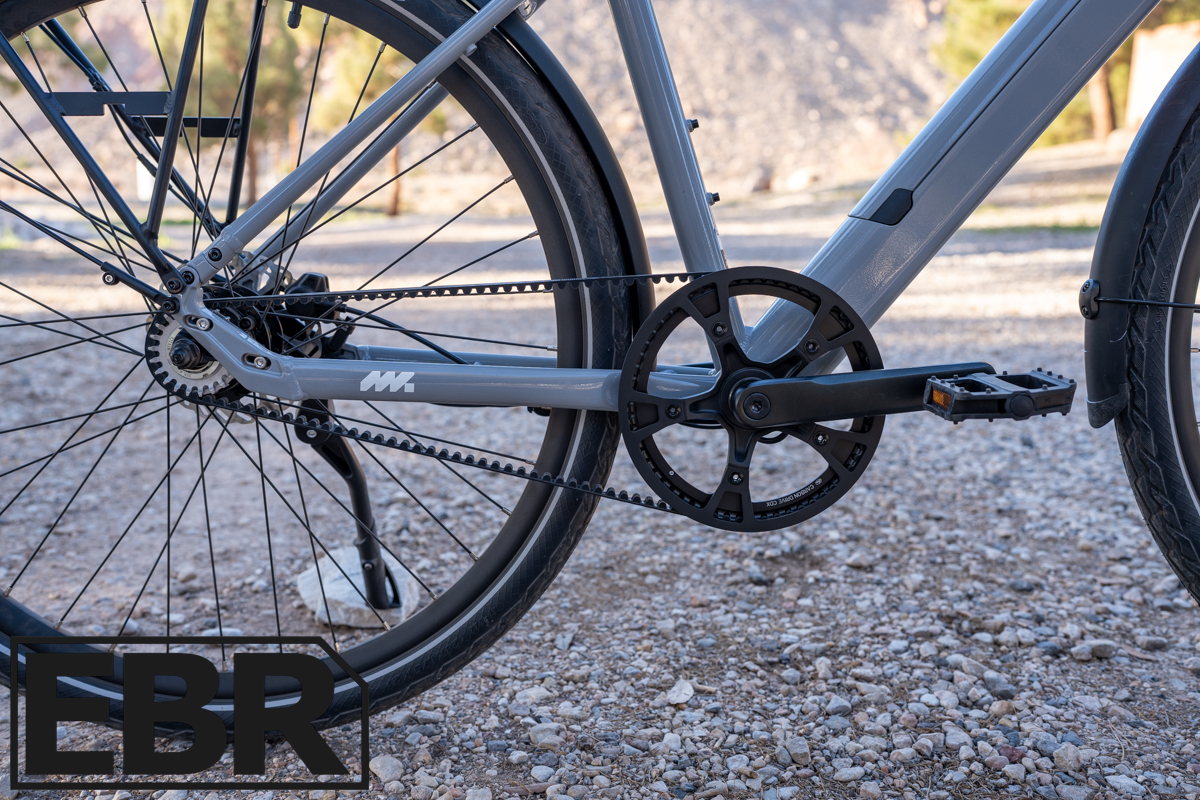
In terms of the components for the Mokwheel Flint Pro, the setup is very low maintenance and the entire setup feels clean and clutter-free. The Gates carbon fiber belt drive is one of the reasons the bike keeps its lighter weight and more premium feel. It runs quietly, doesn’t need lubrication, won’t leave grease marks on your pants, and can last 10,000 to 20,000 miles with minimal attention.
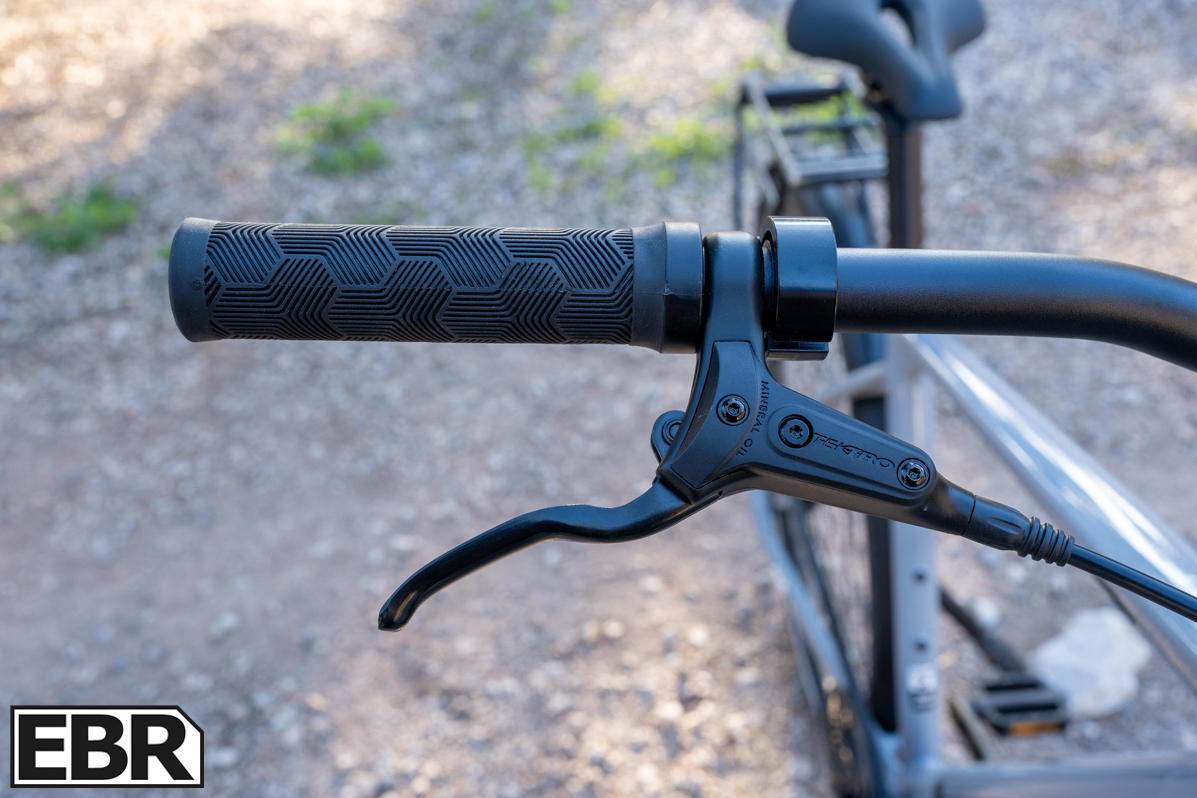
Braking is covered by hydraulic disc brakes, specifically the Tektro HD-M275 hydraulic brakes are a solid mid-tier choice that offer reliable stopping with 2-Piston calipers and 160mm rotors at both wheels. They’re easy to service and replacement parts are widely available, which matters more for a daily commuter than having the latest four-piston setup.
CST tires at 700x45c provide the cushioning that the rigid aluminum fork doesn’t. With no suspension to soak up bumps, these wider tires become your comfort layer, and they do the job well when you drop the pressure a few PSI. Going narrower would make this bike significantly harsher to ride on typical city streets with potholes and rough pavement.
The aluminum alloy cockpit components are basic but functional. The adjustable stem is actually a critical piece for making the one-size-fits-all approach work across the 5’5″ to 6’7″ height range. Being able to dial in your handlebar position means shorter riders can bring the bars up and back while taller riders can push them forward and down to find a comfortable riding position. The 700mm handlebar width is middle-of-the-road, not too wide for navigating tight spaces but wide enough for stable handling.
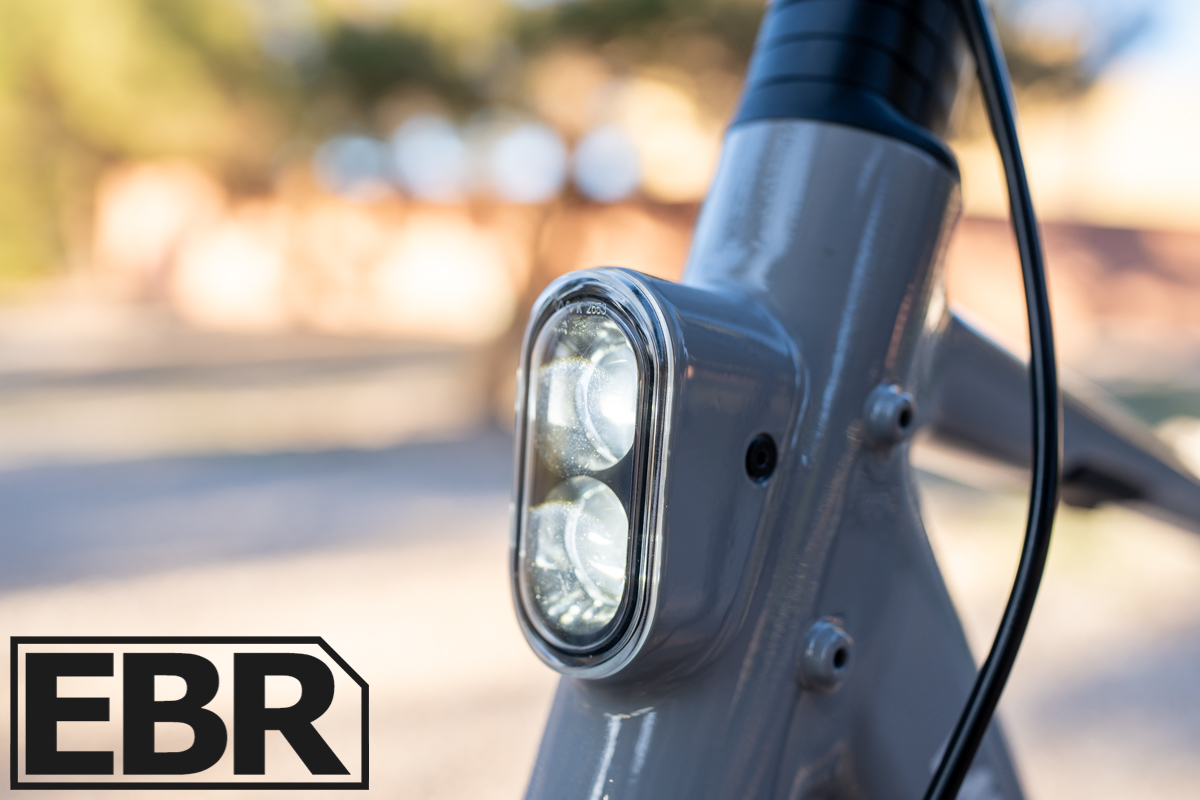
The integrated frame headlight looks clean and keeps the front end uncluttered, but it’s a proprietary Mokwheel part. If it fails or gets damaged, you’re hunting down a replacement through the manufacturer rather than swapping in any standard headlight from your local shop.
Screen / User Interface / App
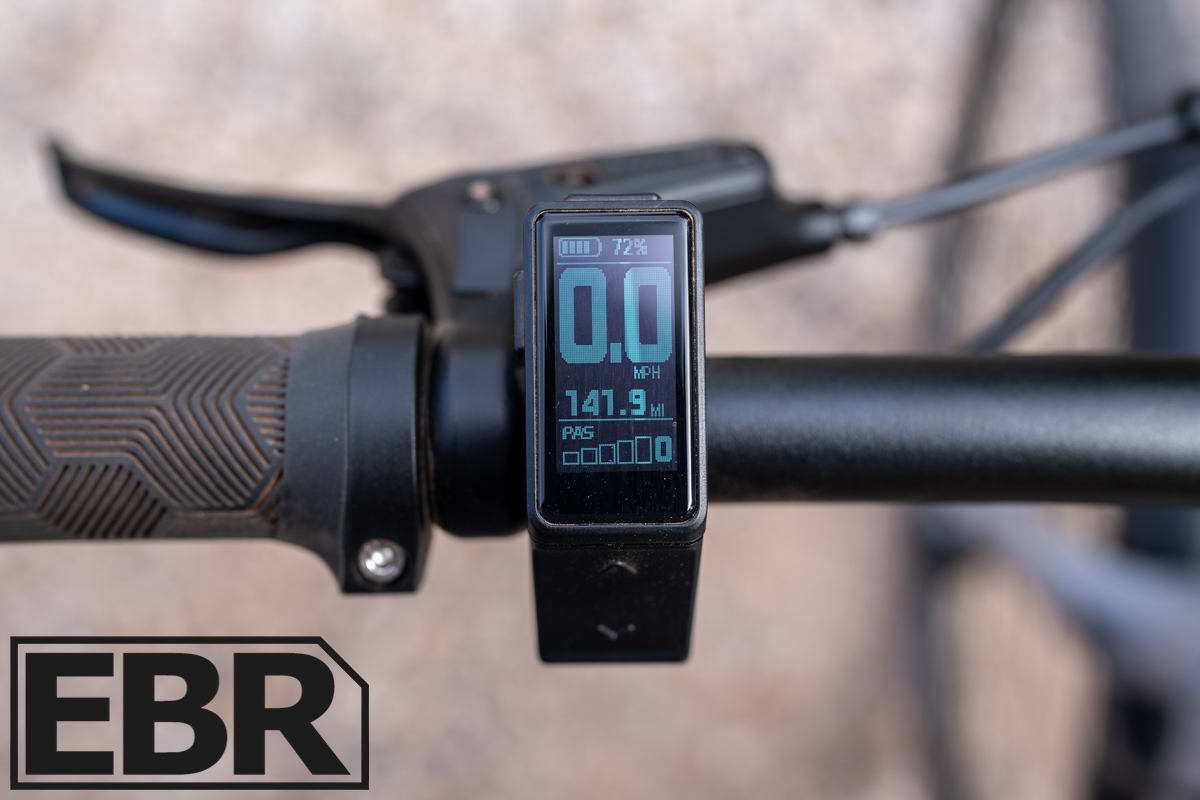
The Flint Pro keeps things simple with a small duo-tone display that shows speed, PAS level, battery charge, odometer, and trip distance. The black background with light LCD font is easy to read in any lighting condition, and the automatic backlighting kicks in when needed without you having to fumble with settings while riding. It’s a straightforward setup that doesn’t try to be more than it needs to be.
There’s no smartphone app, no Bluetooth connectivity, and no fancy customization options beyond changing your units of measurement and display brightness. You also won’t find any hidden menus to unlock higher speeds or tweak motor settings. This is a true Class 1 ebike capped at 20 mph, similar to the typical city cruisers you’d find rolling around European bike lanes. Mokwheel made a choice here to keep things locked down and simple rather than giving riders the ability to tinker.
The lack of a USB charging port means you can’t top off your phone on longer rides, which is becoming a standard feature on many commuter ebikes in this price range. It’s not a dealbreaker, but it’s worth noting if you rely on your phone for navigation or music during your commute.
What the display does well is stay out of your way. It’s clutter-free, matches the lightweight and sleek aesthetic of the bike, and gives you the essential information without overwhelming you with data points you’ll never use. If you’re looking for a bike with a big color touchscreen, over-the-air updates, and an app that tracks every metric of your ride, the Flint Pro isn’t going to satisfy that itch. But if you want something that just works without needing to pair devices or download software, this approach makes sense.
Mokwheel Flint Pro Model Options
Picking the right model options on the Flint Pro boils down to two camps: the more aggressive or the more comfortable. Hear me out.
You can choose from two frame styles, a high-step and a step-through, both rated for riders 5’5″ to 6’7″. It’s odd that the ST doesn’t have a lower height minimum given how much easier it is to mount and dismount, but that’s what Mokwheel lists. The high-step I tested has a 30-inch standover height, while the ST drops that to just 17 inches for those concerned about swinging a leg over a top tube.
The high-step comes with a flat bar that puts you in a more aggressive riding position and runs a rigid frame. The ST features a swept-back Dutch city cruiser-style handlebar for a more upright and relaxed posture, plus it includes a 65mm suspension fork for additional bump smoothing as you ride.
For drivetrains, you get two options: an 8-speed Shimano chain drive with a 350W motor that peaks at 550W and delivers 40Nm of torque on the standard Flint, or the single-speed 60T/22T Gates carbon belt drive with a 250W motor peaking at 500W and the same 40Nm of torque on the Flint Pro. The step-through versions come with suspension forks regardless of which drivetrain you choose, while the high-step versions are all rigid with no suspension fork upgrade available. Again, kind of odd.
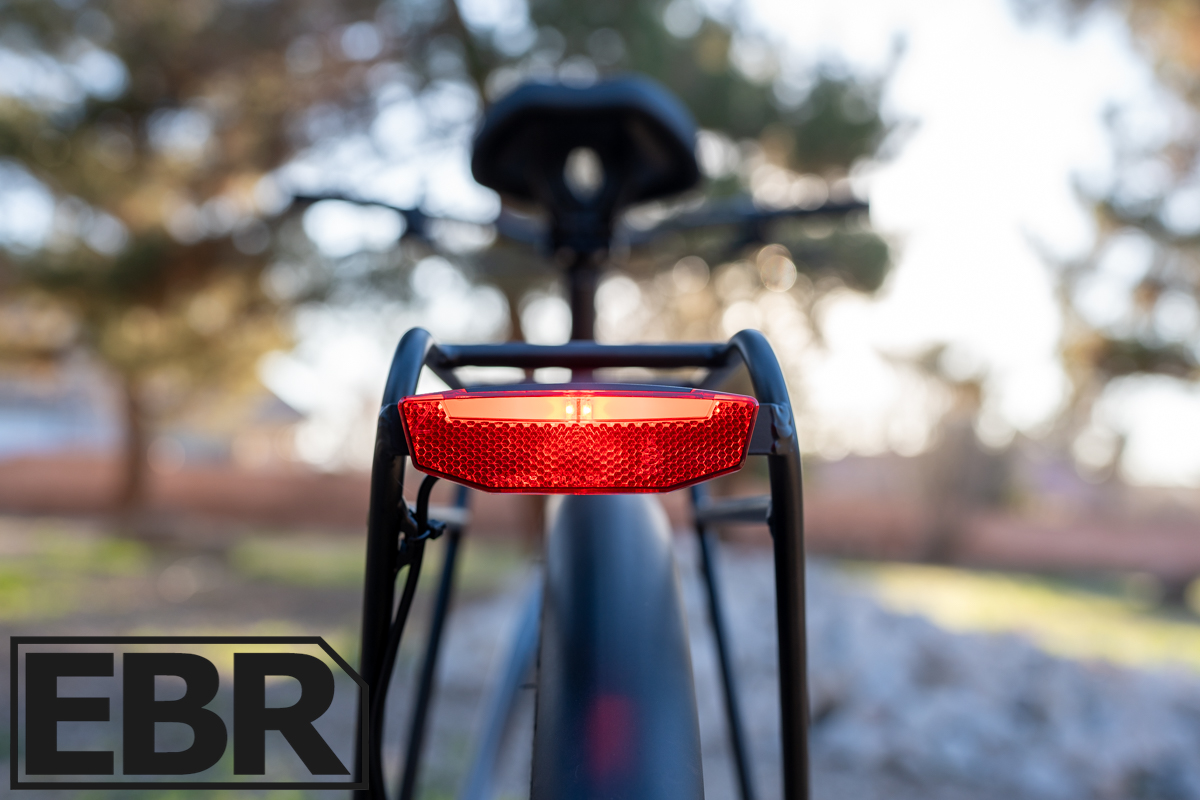
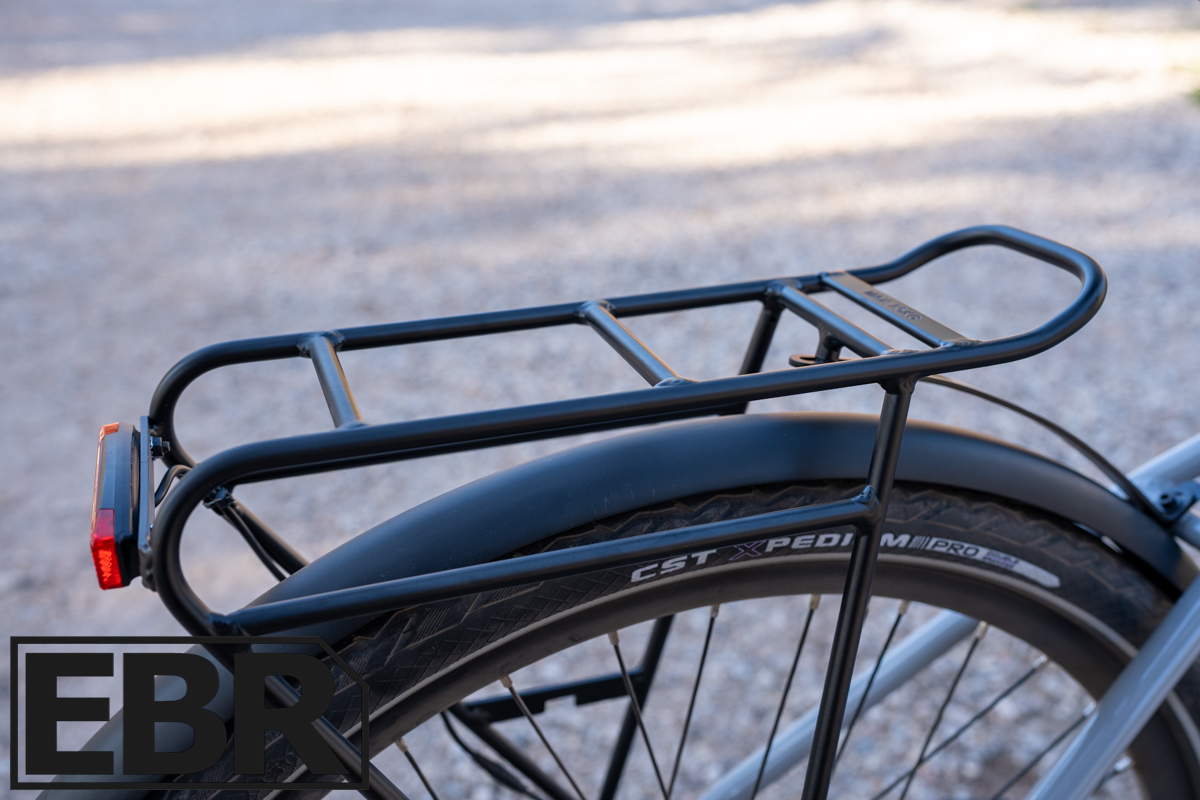
When it comes to accessories, regardless of the model you pick, you get solid daily commuting perks included in the purchase price. The frame-integrated headlight, reflective striping on the tire sidewalls for visibility in traffic, a rear rack, front-to-back composite fenders, a kickstand, and the battery charger all ship with the bike.
The Flint has several useful mounting points for additional accessories and gear. Beyond what’s already being used for the fenders and rear rack, there’s a set of mounting points on the seat tube for a bottle cage or tool kit, plus another set on the underside of the top tube. If you want to load up with more accessories, Mokwheel offers plenty of options including bike racks, bottle cages, air pumps, bike locks, trailers, and more.
Is The Mokwheel Flint Pro Worth Buying?
The Mokwheel Flint Pro makes sense for a specific type of rider. If you live somewhere relatively flat, value low maintenance over gearing options, and want an ebike that feels more like a fitness bike with an assist button, this delivers at a price point that’s hard to argue with. At $1,399, you’re getting a Gates belt drive system and the kind of lightweight simplicity that makes carrying it up stairs or onto transit actually feasible.
The single-speed setup is the elephant in the room. It works beautifully for flat city commutes and keeps the bike simple and reliable, but it also limits versatility in ways that will frustrate riders who encounter varied terrain. Steeper hills require real effort, and you can’t just shift down to spin your way up. If your daily route includes significant elevation changes, the 8-speed chain-drive Flint might be the smarter choice despite giving up the belt drive’s maintenance advantages.
What impressed me most about the Flint Pro was how well it delivers on its core promise. It’s quiet, smooth, efficient, and genuinely pleasant to ride within its intended use case. The 61-mile range at moderate assist levels means you can go days between charges for typical commutes, and the 39-pound weight makes it manageable in ways that most ebikes simply aren’t. The adjustable stem gives the one-size-fits-all approach actual credibility, and the included accessories like fenders, rack, and integrated lighting mean you’re ready to commute from day one.
For riders over 40 who want to stay active without showing up to work sweaty, or for anyone tired of chain maintenance and derailleur adjustments, the Flint Pro hits a sweet spot. It’s not trying to be everything to everyone, and that focus is exactly why it works.
Pros
- At 31 lbs, the Flint Pro rides like the sleek Class 1 city bikes you see all over Europe, which is exactly what Mokwheel was going for.
- Gates carbon belt with a 60T chainring and 22T freewheel means quiet, smooth pedaling and way less maintenance than dealing with chain grease and cable tension drama.
- The frame-integrated headlight looks sharp and throws a solid beam to illuminate your route.
- Shows up with the basics already sorted: rear rack and full fenders front to back
- No suspension neeed: The 700x45c tires give you enough air volume to drop a few PSI and smooth out the ride compared to skinnier road tires.
- Clean cable routing through the stem keeps everything looking modern and sleek.
- Four color choices from safe black and grey to more fun orange and blue options.
Cons
- The battery cover rattles over bumps due to a loose fit, which gets old fast on a bike with no suspension
- That integrated headlight looks great but you can’t adjust the angle and finding a replacement




Reader Interactions