

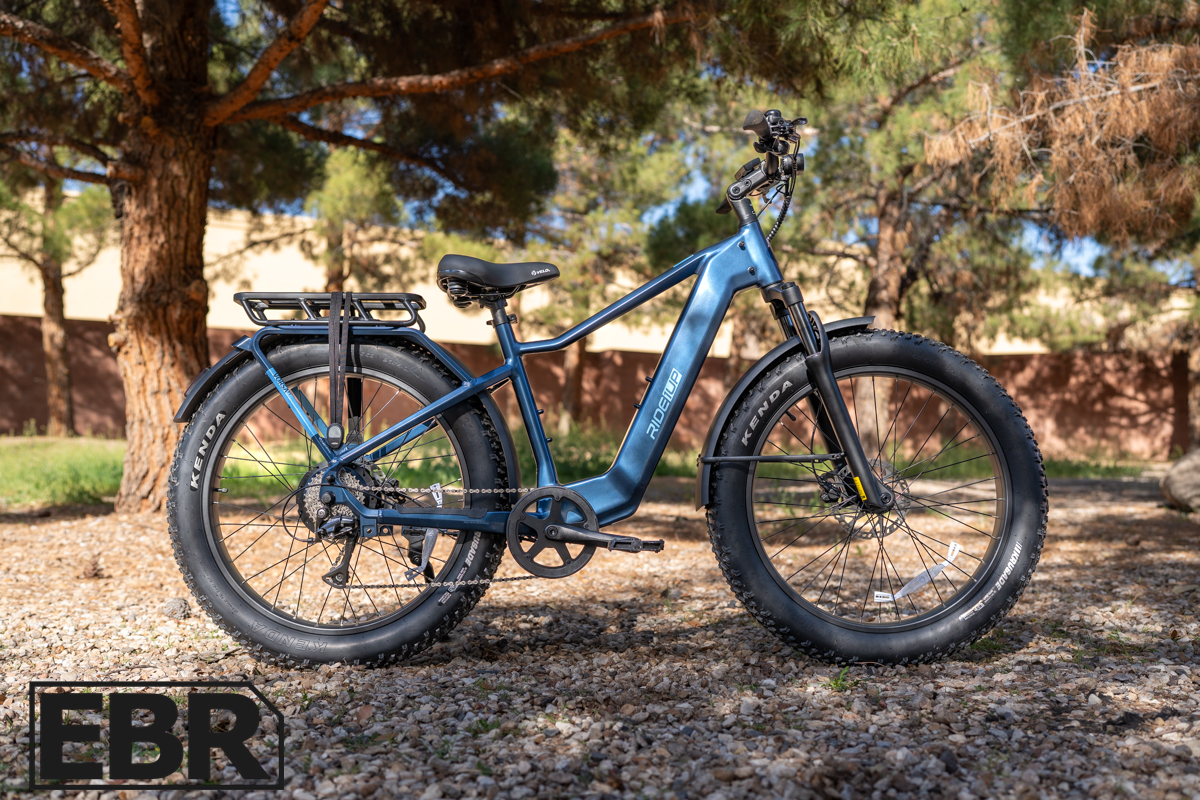
Ride1up launched the Vorsa, their do-it-all SUV Style bike back in April 2025. Now, almost exactly a year later, they are back and not only a refresh of the Vorsa but also with an expansion of the ecosystem offering now multiple versions, and today specifically, we will be taking a close look at the fat tire variation in this Ride1Up Vorsa FT review.
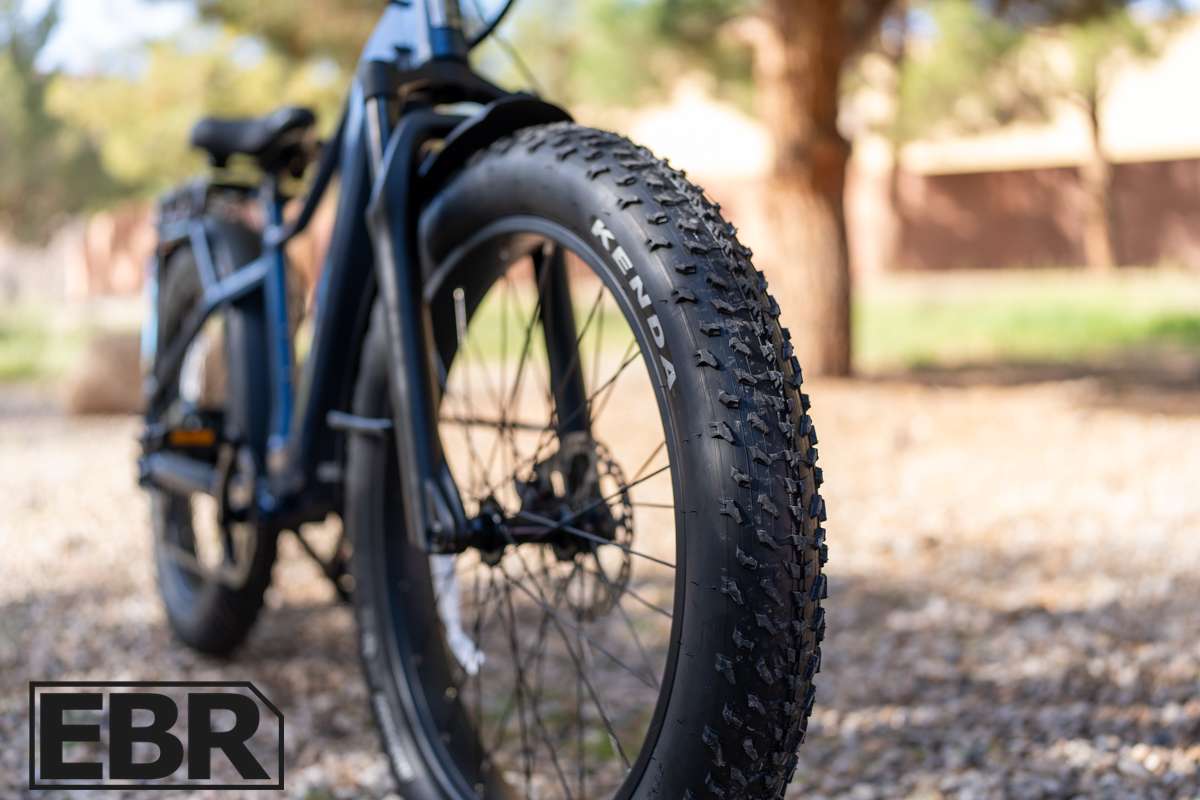
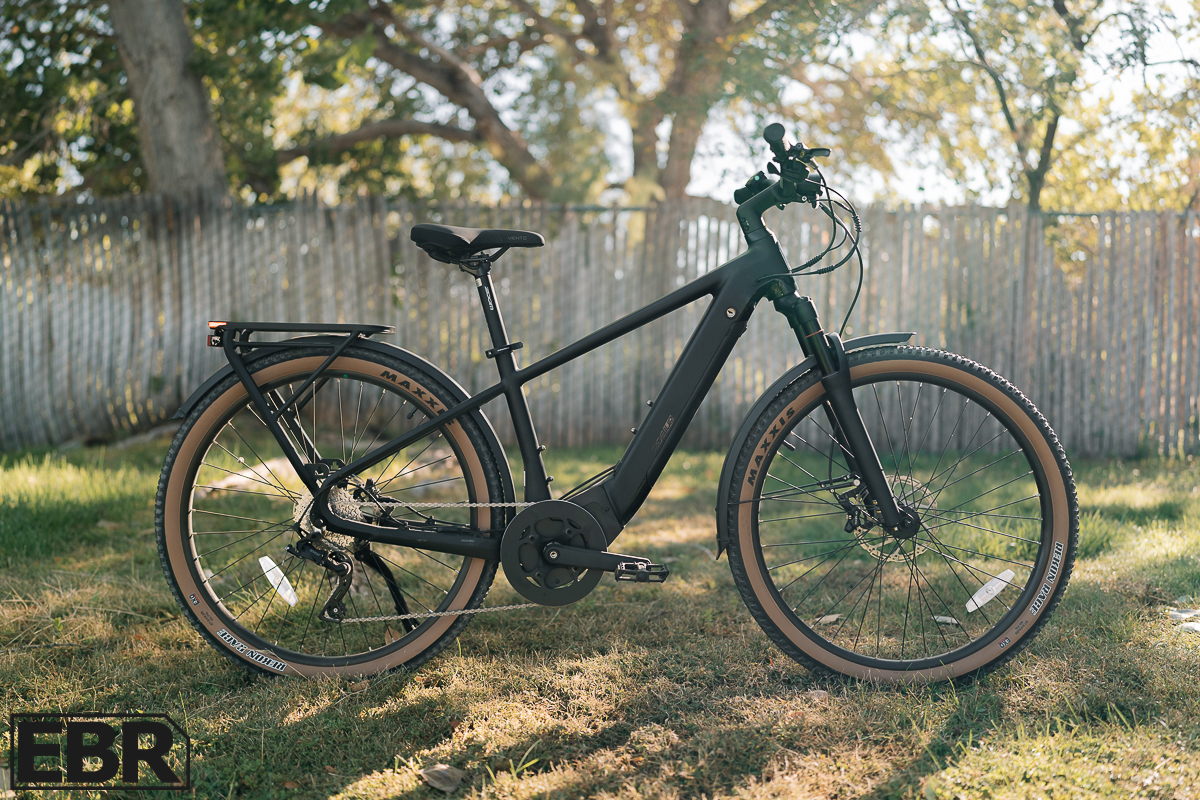
On the previous version, the Vorsa came equipped with a 27.5×2.6” tire setup that offered a good balance between capability and efficiency. This time around, Ride1Up gave the Vorsa FT 4-inch wide tires wrapped around a 26” alloy wheel.
My Experience Riding The Ride1Up Vorsa FT E-Bike
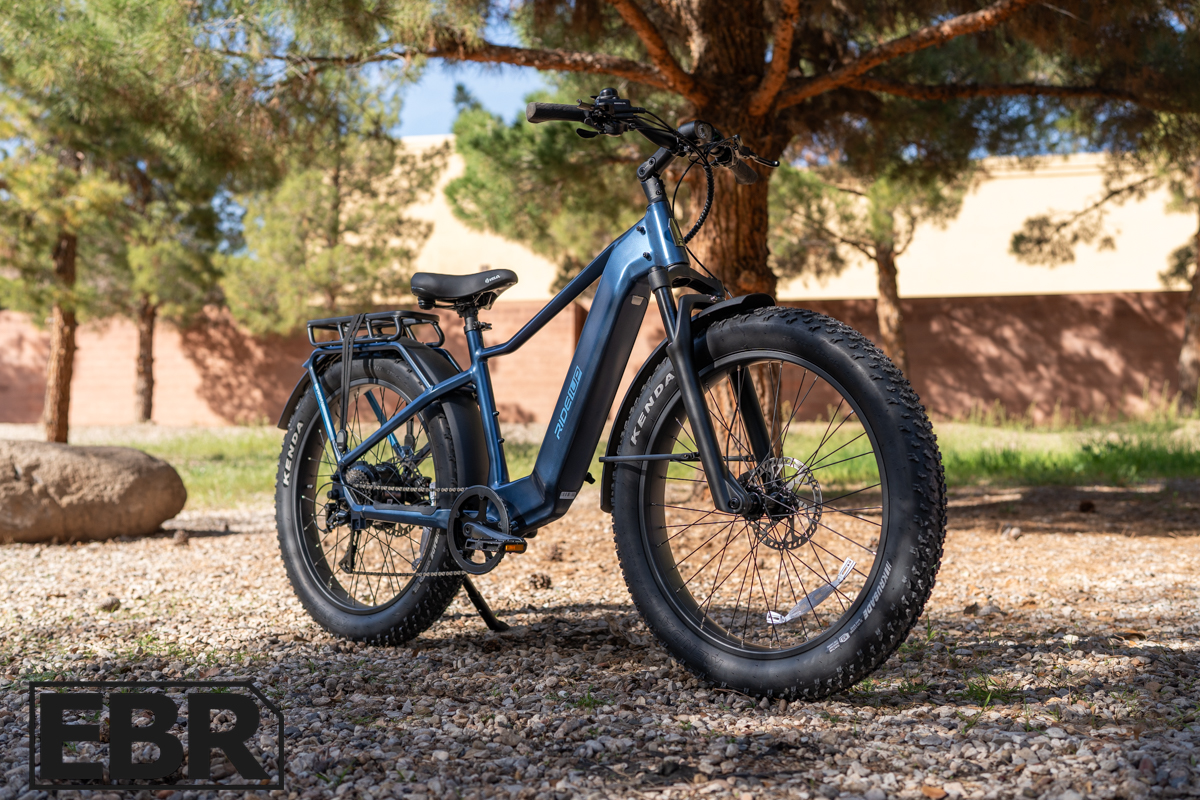
A bit of context on the Vorsa lineup first, because the FT doesn’t exist on its own. Ride1Up now offers three variants: the Vorsa Lite (12 lbs lighter than standard, no rack, 27.5×2.2″ tires), the standard Vorsa (27.5×2.6″), and the FT (26×4″ fat tires). Each comes in an XR high-step and ST step-through, covering riders from 5’1″ to 6’4″ across the range. Three colorways, two frame styles, three different tire setups. The degree of spec-level flexibility here becomes something of a running theme with the Vorsa platform. But today, the FT.
The stance on 26×4″ fat tires gives the FT a purposeful, ready-for-anything look that works on pavement or dirt without looking out of place on either. The riding position is hybrid by default, but the 90mm adjustable stem and handlebars with 30mm rise and 10° sweep give you real room to move. Push it upright for a relaxed cruise, or dial it forward when you want a bit more aggression. Stack that adjustability with the ergo platform grips, wide comfort saddle, suspension fork, and the fat tires themselves, and you have a bike that’s actually comfortable and handles off-road without complaint. That’s not a given. Most bikes make you pick.
Around town the Vorsa FT feels punchy and confident. Acceleration is quick, and every hill I hit got handled without drama. To be honest, the previous Vorsa I reviewed had great power as well, but that was with the 27.5×2.6” tires, when i heard this was coming with 26×4” fat tires, i initially thought the felt power might take a hit due to the nearly 40% increase in rotational mass. But whether it’s clever motor programming or something in the updated AKM unit, the concern turned out to be nothing. The same 750W and 95Nm of torque delivers strong pull on road and off. Pleasant surprise.
Part of the Vorsa’s appeal is its SUV DNA, and I tried everything I had not to call it “Vorsatility.” The dad jokes don’t stop writing themselves. But like its four-wheeled equivalent, the e-bike SUV pitch is that it goes from grocery run to work commute to weekend trail without making you feel like you brought the wrong tool. The city bikes and cruisers stay home. The Vorsa FT doesn’t.
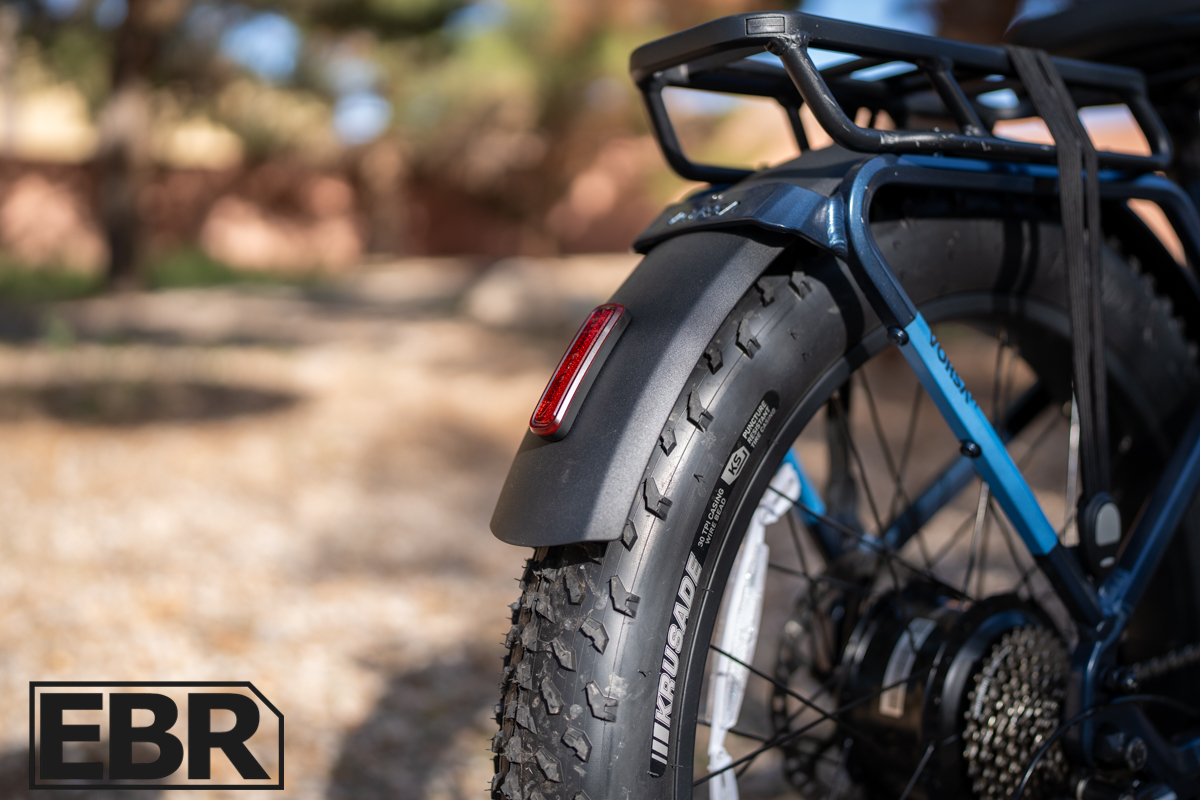
The rear rack deserves its own mention. At 150 lbs of payload capacity it’s close to three times what most racks offer (50 lbs is the usual ceiling). The frame is also pre-tapped for Ride1Up’s Connect+ rear rack extension, which adds another 150 lbs of capacity and comes with pre-positioned mounting points for passenger pegs or protective rails for smaller riders. They also included a strap with a retention point that needs a quarter-turn to release, so it won’t shake loose on rough terrain.
Off-road the FT holds up. The 4″ Kenda Krusades chew through loose gravel and deep sand without much fuss; that wide footprint just floats over obstacles. Power is strong up chunky climbs. The coil fork does its job and helps, but it doesn’t offer the fine tuning you’d get from an air fork. At this price point, it’s hard to fault. The Star Union hydraulic discs with 2.3mm rotors (180mm front, 203mm rear) are solid on cooling and pad life, and the 2-piston calipers with e-cutoff sensors work fine. I never felt like I was running out of stopping power. That said, at 84 lbs of rolling weight, if I had one upgrade to push for, it’d be 4-piston calipers. A bike this heavy earns the extra braking authority.
The Vorsa FT delivers what you’d expect, plus a few things you wouldn’t. Dual-purpose riding is the core pitch, and it delivers on that. But the deeper appeal is the configurability: motor tuning, torque or cadence sensor selection, Class 1 through Off-Road mode. It’s a platform that actually adapts to how you ride rather than asking you to adapt to it. The Vorsa is just… Vorsatile. I held out as long as I could.
Range
Estimated Range (from Ride1Up): 30 to 60 miles
Real World Range Test Results:
- eco Mode Range Test: 87 miles
- Turbo Mode Range Test: 40 miles
Those numbers deserve some context. Ride1Up estimates 30 to 60 miles, which is a conservative range meant to account for the worst-case combination of heavy rider, maximum assist, and hilly terrain. Our test conditions were deliberately real-world: a 190 lb rider on mixed bike paths with genuine stop-and-go and meaningful elevation changes. Not a flat loop at steady speed the kind of riding most people actually do.
87 miles in eco is a standout result, even accounting for the lower assist level. It suggests the 720Wh battery and the Intui-Drive system together manage energy efficiently enough to significantly outlast Ride1Up’s own estimate. 39 miles in Turbo is the honest floor that’s max assist on fat tires under real riding conditions, and it’s still a full day of most people’s riding.
When it comes to tire pressure, there’s a felt effect on range, especially so with fat tires. Run lower-end (5 to 15 PSI) for soft surfaces and you’ll get excellent traction but lower efficiency. Push toward the upper end (25 to 30 PSI) on pavement and you’ll recover meaningful range, but feel more road imperfections. Most riders will land somewhere in the middle depending on the day’s route.
Power (Motor & Battery)
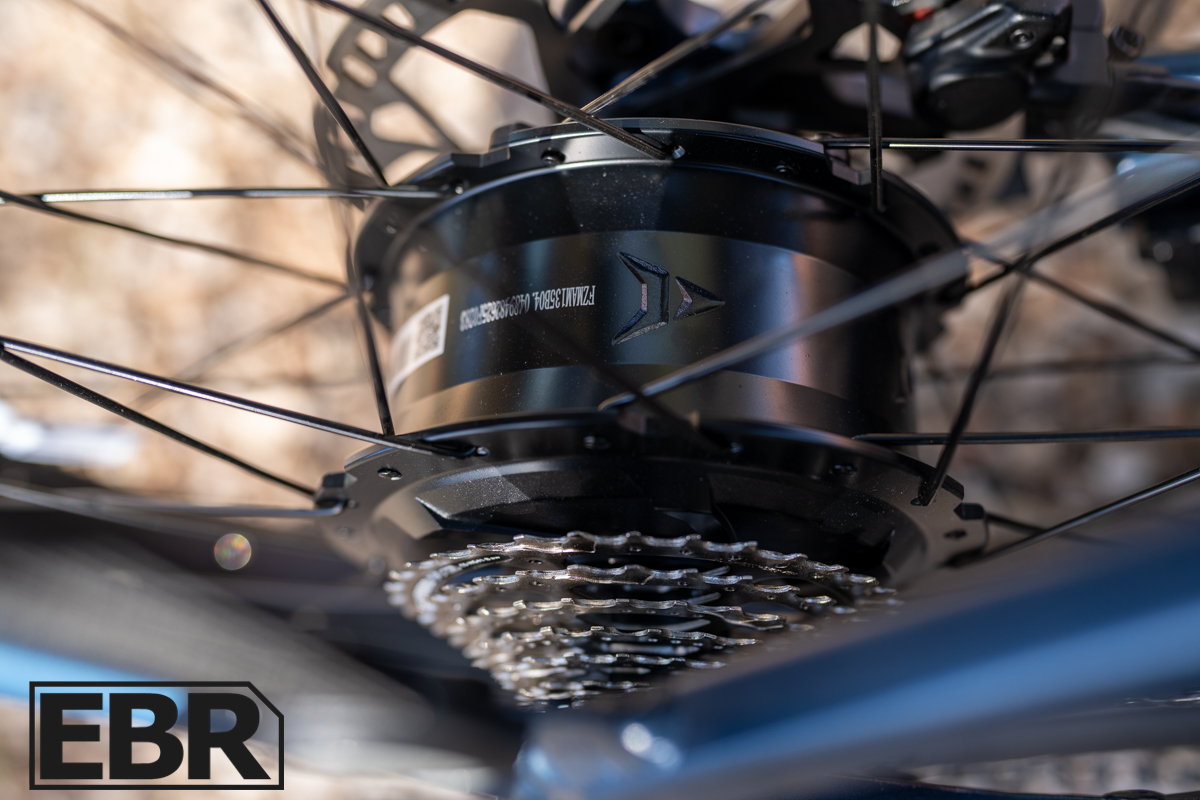
Ride1Up continued with the success of the AKM hub motor, but moved to a new model on this FT, but, have no fears, the power that so many loved in the original Vorsa as this new model has nearly identical specs: 750W nominal, 95Nm of torque. That figure 95Nm is what Ride1Up calls their strongest hill climber, and it’s not marketing. And while they don’t advertise the peaking wattage, I’ve pushed it up enough steep grades by now to know it can do it without any complaints.
The motor isn’t silent, but I don’t know of any 750W hub motors that are, especially when programmed for off-road muscle and a hefty payload. There is a typical ebike motor whine on rides, nothing you aren’t hearing already if you own one.
The Intui-Drive torque + cadence sensor system, built with MIVICE, remains one of the better systems I’ve tested. Torque mode reads how hard you’re actually pedaling and scales assist accordingly feeling like a natural extension of your effort. Where the cadence sensor mode gives immediate assistance regardless of how hard you push on the pedals, if you turn the cranks, you get motor power.
Believe it or not, I don’t like one over the other, to me they each have selling points for different types of riding. If I want to feather my power and extend the range, torque sensor wins, but, if I want to be off-road and get immediate power to climb some steep obstacle? Well, the cadence sensor is the right call as it won’t hesitate to push me up. Both are switchable directly from the display and lets riders work with both and see which they prefer as opposed to forcing riders to pick an ebike with one or the other.
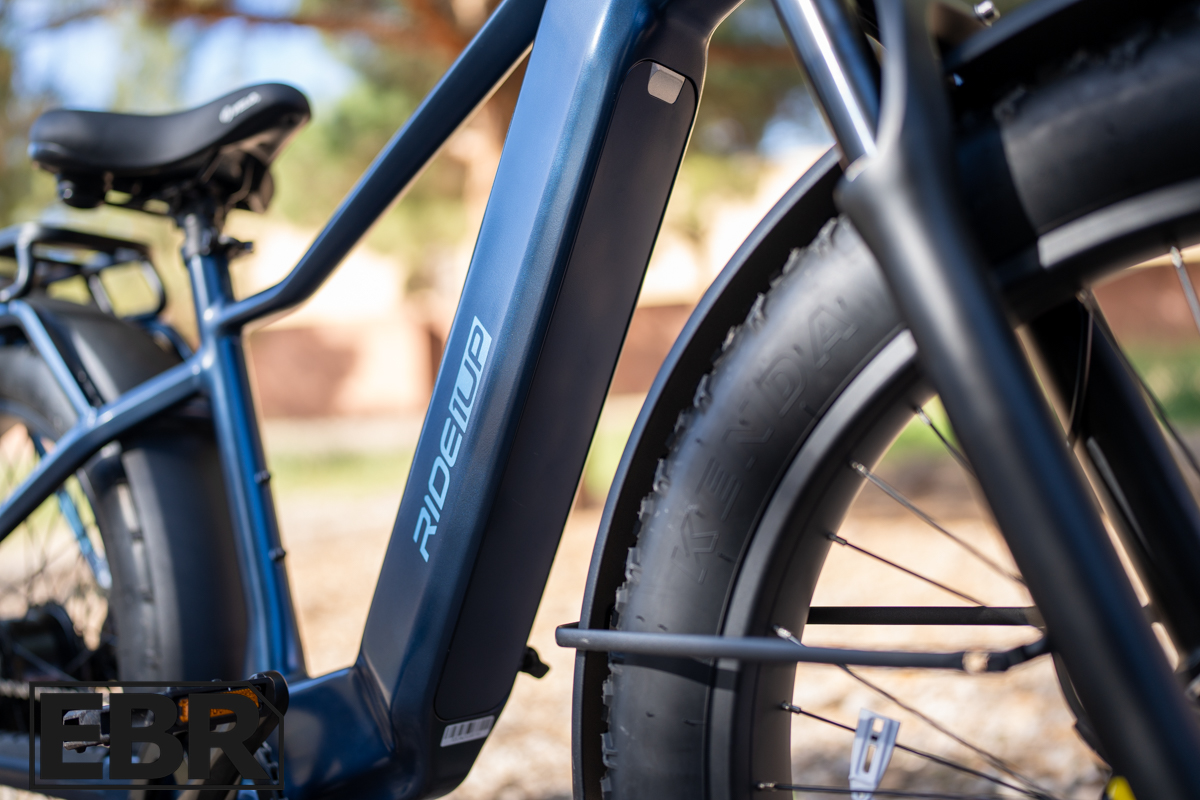
The removable 48V, 15Ah battery integrates cleanly into the frame and charges at home without any fuss and comes with a set of keys for on or off the bike charging/storage.
All-in-all, on paper it’s very similar to the original Vorsa power setup, but this new AKM model coupled the increased 4-inch tire rotational weight, and its ability to keep its strong hill-climbing and impressive range says otherwise, in a good way.
Components
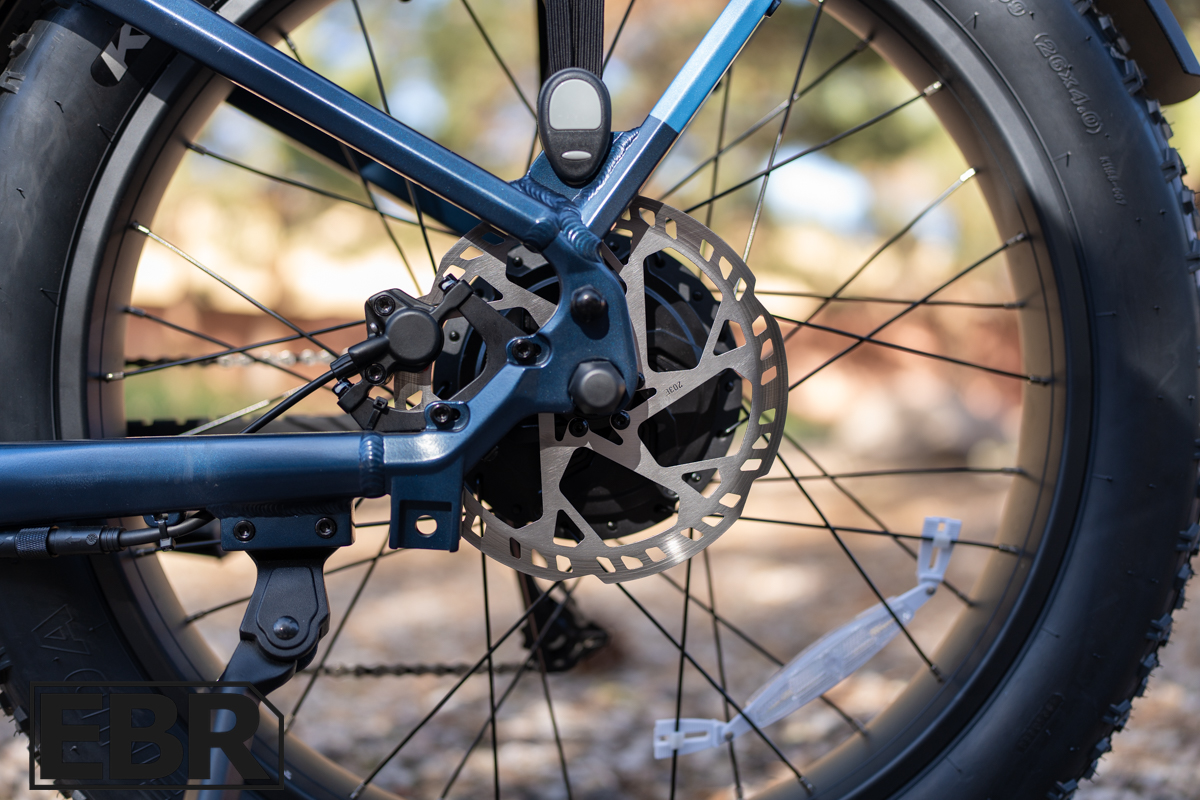
The Vorsa FT carries a straightforward component lineup that hits in the right spots and uses many industry workhorse parts.
The drivetrain is a Shimano Acera 8-Speed setup with a 11-32T cassette and a 48T chain ring. It’s a nice, wide range with enough gearing for nearly any ride. Plus, it’s an ebike, if the gearing falls short, you have power on demands to move you along without any concerns.
The braking is covered by Star Union with 2-Piston calipers and offset sized rotors with a 180mm up front and a 203mm in the rear, both with an increased thickness of 2.3mm. This is a better setup with the larger rotor up front, giving a bit more control for technical descents and longer pad life due to the improved cooling that comes with thicker rotors and a larger one up front.
Would I love to see 4-piston calipers on a 84 pound rig rolling down a techy descent? Sure, but these do get the job done and include e-bike motor power cutoff sensors when the brakes levers are actuated.
The Kenda Krusade is a well-chosen tire for this kind of bike. The general all-terrain tread pattern and beefy side knobs are enough to grip confidently on loose surfaces and in corners. Thorn protection adds a layer of puncture resistance that’s genuinely useful when you’re riding the kinds of terrain fat tires invite, although we did add some Slime to the inner-tube just to be safe. It’s a tire designed to work in both worlds, and it does so pretty well.
The front suspension fork is a 100mm coil spring with 34mm stanchions, a thru-axle with both preload and lockout features. When the fork teams up with the 4”-wide fat tires, the ride on or off road is genuinely smooth.
The 150 lb-rated modular rear rack is included on the FT and can be paired with the optional Connect+ extension where payload then bumps up to 331 lbs (just keep the 440lb max payload in mind).
Screen / User Interface / App
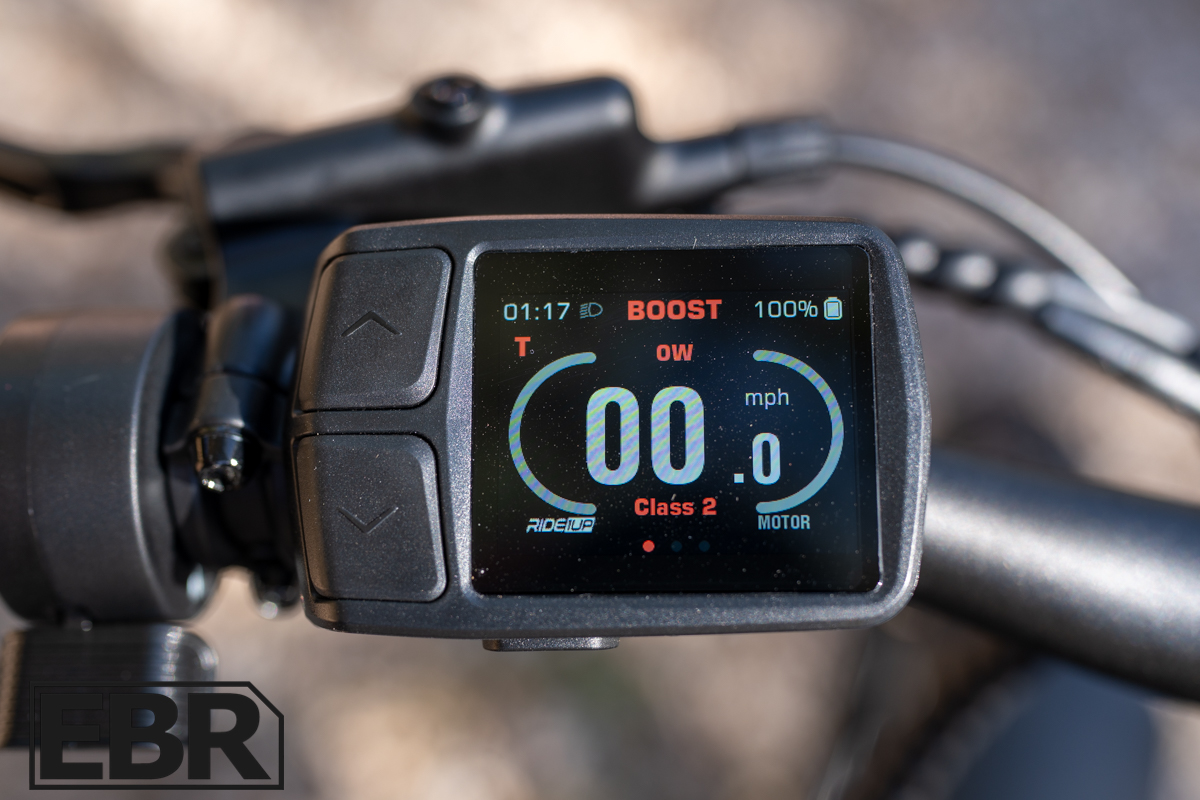
Parked up on the left hand side of the cockpit, the display for the Vorsa has a nice 2.5” color screen with easy to read menus, something I genuinely appreciate over the manual-dependant coded displays. There is also a USB type-C charging port with a weather cover for charging on the go.
On the home screen are the usual suspects like battery level, pedal assist mode, speed, time, motor sensor in use and real time power output. Tapping the ‘M’ button on the bottom side of the display will take you to the next data screen where you can see your average speed, max speed, trip meter and odometer. Tapping that ‘M’ button one more time will take you to the data screen with each level of pedal assistance and a bar graph representing how much time you spend in each level of assistance. If you have any mystery range loss, I’d check here first, if you spend the majority of your time in Turbo and Boost mode, that’s likely your culprit.
This time around Ride1Up added support for Apple Find My integration for air tag tracking, a nice additional layer of security that goes beyond the typical 4-digit pin code. Your bike appears in Apple’s FindMy network, which means if it disappears from where you parked it, you have a real recovery option. On a bike you’d lock up anywhere, that’s worth something. To access the Find My integration from the display, simply hold the ‘M’ + ‘UP’ buttons together for 5 seconds and a grey ‘find my’ icon appears, then open your Find My app on your phone and tap ‘Add > Other Supported item’ and then the tag will pair with your bike. Should you want to disable it, just hold the ‘M’ + ‘UP’ buttons again until the grey icon disappears.
Also, once in the advanced settings (hold UP+Down arrows), you can access some new features like torque or cadence sensor selection, class selection from class 1, 2, 3 and ‘Off-Road’ mode, which requires completing an online waiver for pin code to unlock it.
Also, in the advanced settings is the ability to customize your motor power and it’s done in two different screens. The first screen is the Torque ratio you can adjust at the individual pedal assist level. The second, is the amperage level you can also adjust at the individual pedal assist level. Between the two screens, you get to make the motor behave the way you want it to, not the factory. Want to go wild and crank them all up? Go for it. Want to dial it back and take it easy? You can do that too. Pair that motor tuning ability with the motor sensor selection and the Ride1Up Vorsa really does start to flex its adaptability muscles.
Ride1Up Vorsa FT Model Options
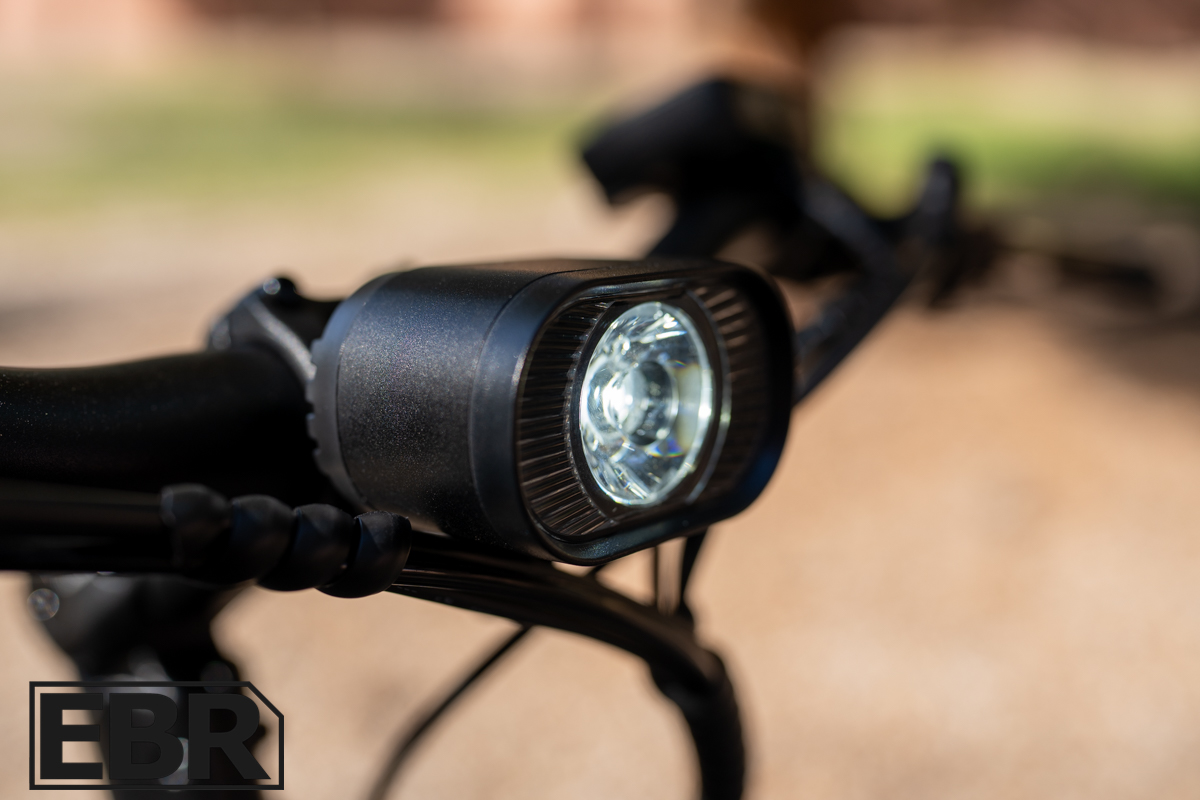
Every Vorsa ships with a standard 1-year warranty and a solid accessory package right out of the box. The rear rack with retention strap is included, rated to that 150 lb capacity already covered above. Up front there’s a 100 lux LED headlight with adjustable angle, and the tail light is integrated directly into the alloy rear fender with a braking highlight. Finally, the essentials like a kickstand, flat alloy pedals, and a battery charger round it out.
On the optional side, the usual suspects are all there: helmet, locks, pannier bags, front and rear baskets, and an insulated cooler bag sized for the rear rack if you want cold drinks on the commute home. But the Vorsa-specific options are where it gets interesting. There’s a passenger kit with a seat and foot pegs for the rear rack, which makes the FT in particular feel more like a two-up than a cargo bike.
And then there’s the Connect+ rear rack extension. The frame and existing rack come pre-fabbed to integrate with it, no drilling, no adapters. It extends the rear platform and pushes total capacity to 300 lbs. At that point you’re not really in SUV e-bike territory anymore; you’re blurring the line into proper utility and cargo bike territory. For anyone torn between a do-everything commuter and a cargo-specific setup, that’s a compelling value argument without having to buy two bikes.
Is The Ride1Up Vorsa FT Worth Buying?
Where the Vorsa FT earns its price tag is in how much it lets you make it yours. Motor tuning at the pedal-assist level, torque or cadence sensor on demand, Class 1 through Off-Road mode. This isn’t a bike that asks you to ride it a certain way. It adapts. At $1,695 with a rack, fenders, lights, and a 720Wh battery already in the box, the value argument is strong.
And if the FT isn’t quite your fit, that’s the point of the Vorsa platform. The Lite trims weight and rolls on narrower tires for riders who want something nimbler. The standard Vorsa splits the difference with 27.5×2.6″ tires and a bit less heft, and the FT goes fully capable with the fat tire setup.
Between the three, plus high-step and step-through options on each, most riders will find a version that clicks without having to compromise much. The only ones I’d steer elsewhere are those shopping for a dedicated performance or ultra-lightweight build. For everyone else, the Vorsa FT covers a lot of ground, literally.
Pros
- The Vorsa now comes in three configurations (Lite, Standard, and FT), two frame styles (XR high-step and ST step-through), and three colorways, with a fit range spanning 5’1″ to 6’4″. Hard to not find a match somewhere in the lineup.
- 26×4.0″ Kenda Krusade fat tires paired with a 100mm suspension fork and wide comfort saddle push the Vorsa FT into comfort cruiser territory, just with legitimate off-road capability.
- The updated AKM rear hub motor delivers 95Nm of torque, giving the FT serious hill-climbing power despite the heavier rolling weight of fat tires.
- Switchable torque and cadence sensor lets riders experiment with both styles instead of being locked into one at purchase.
- Apple Find My integration is built into the display with a simple setup process, no app download required, for real-time GPS tracking if someone decides to take your bike for an unauthorized ride.
Cons
- While the current braking setup is good, I would prefer to have 4-piston caliper brakes for an 84 pound rig.





Reader Interactions