

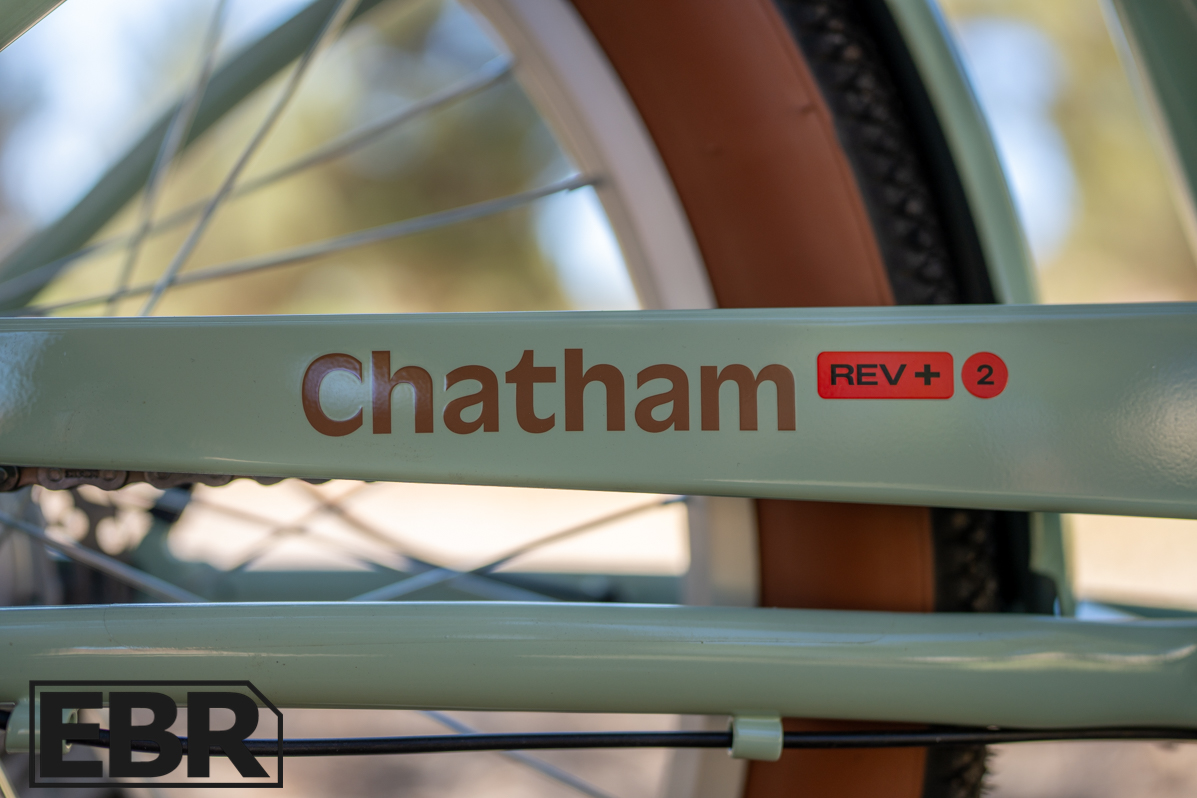
Retrospec has built a real identity for itself in the ebike space, and it is not by trying to out-spec the competition. Their lane is great looking, affordable bikes with a focus on comfort and style, and nobody does that better in the electric beach cruiser category. The classic car inspired lines, the glossy paint, the tan accents, it is a formula that resonates with riders of all ages and one Retrospec has clearly leaned into with confidence.
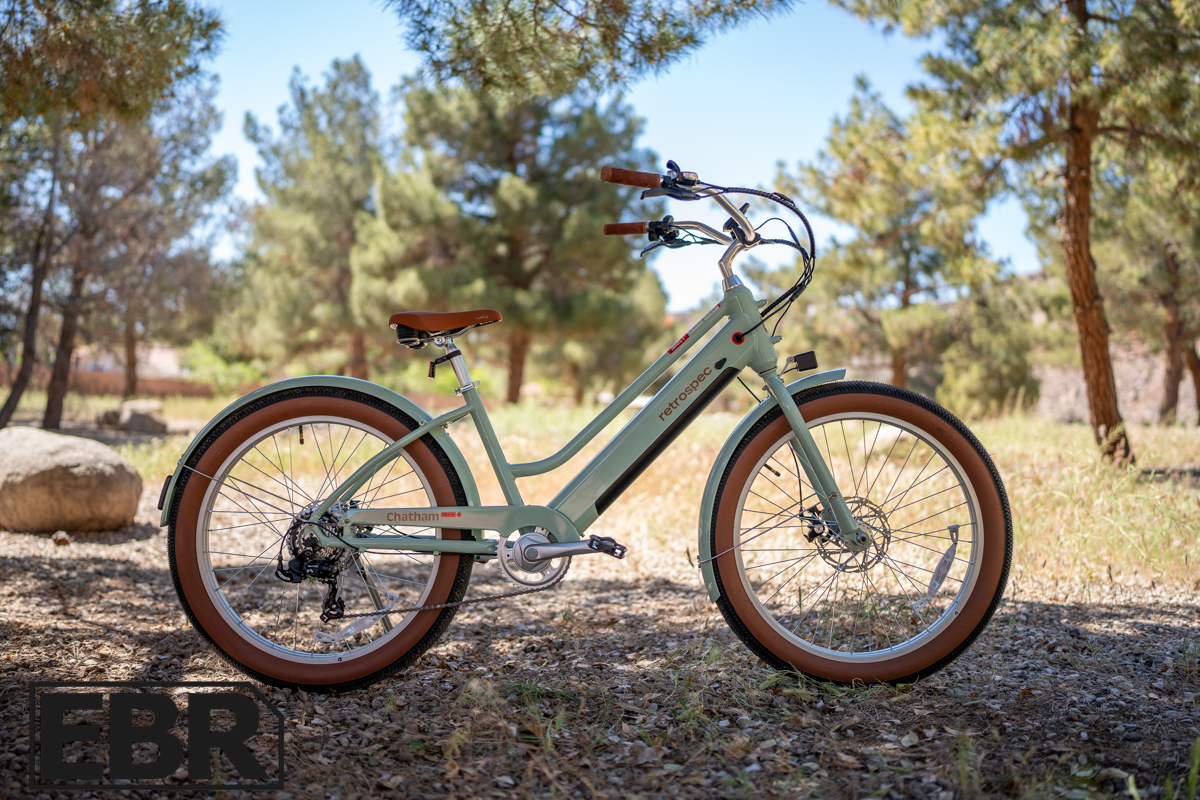
The Chatham Rev+ is probably their most recognizable model, and for good reason. It is the bike you picture in your head when someone says classic beach cruiser. Swooping vintage lines, plump gumwall tires, swept back bars, the whole package. It looks like it should be leaning against a boardwalk railing somewhere with the ocean in the background.
Now in its second generation, the Chatham Rev+ 2 keeps everything that made the original work and layers in some meaningful updates. The new Ananda motor system brings more power and torque to the party, a new color display replaces the old monotone LCD with something much easier to live with, and the contact points get a quiet but noticeable upgrade in both comfort and appearance.
Retrospec also snuck in a proprietary rear dropout system designed to make pulling the rear wheel on a hub drive bike less of an ordeal, which anyone who has wrestled with that job before will appreciate more than they might expect. The Rev+ 2 is available in both Step-Through and High-Step frame versions, and we have the Step-Through in house today. Let’s get into it.
My Experience Riding The Chatham Rev+ 2 ST E-Bike
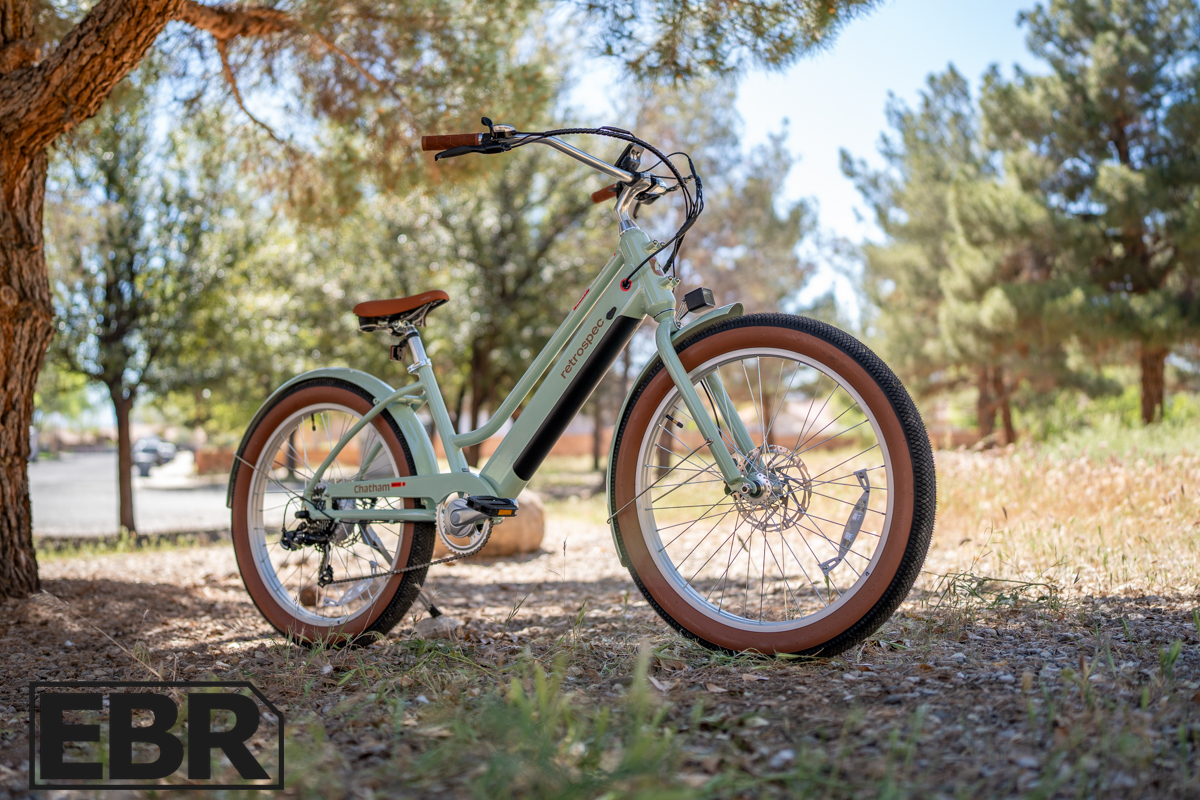
Some bikes you review and some bikes you just ride. The Chatham Rev+ 2 falls into that second category more often than not, and that is probably the highest compliment you can give a beach cruiser.
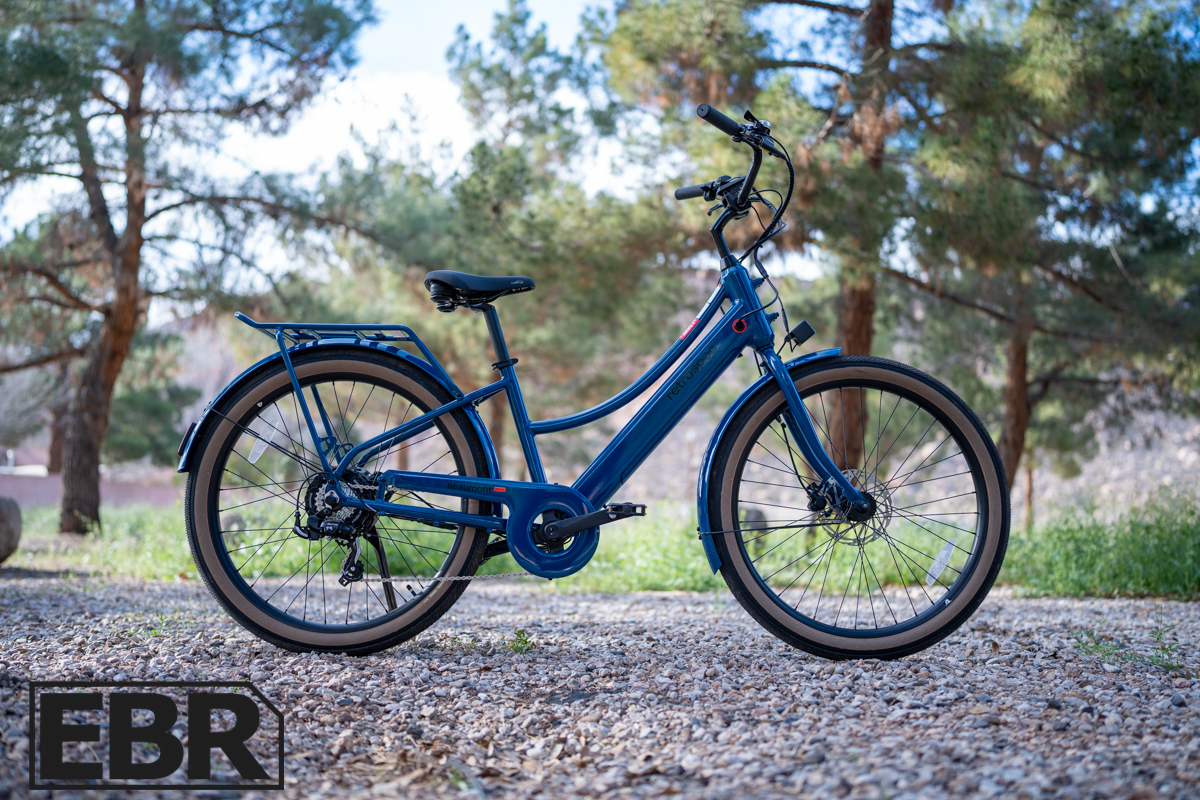
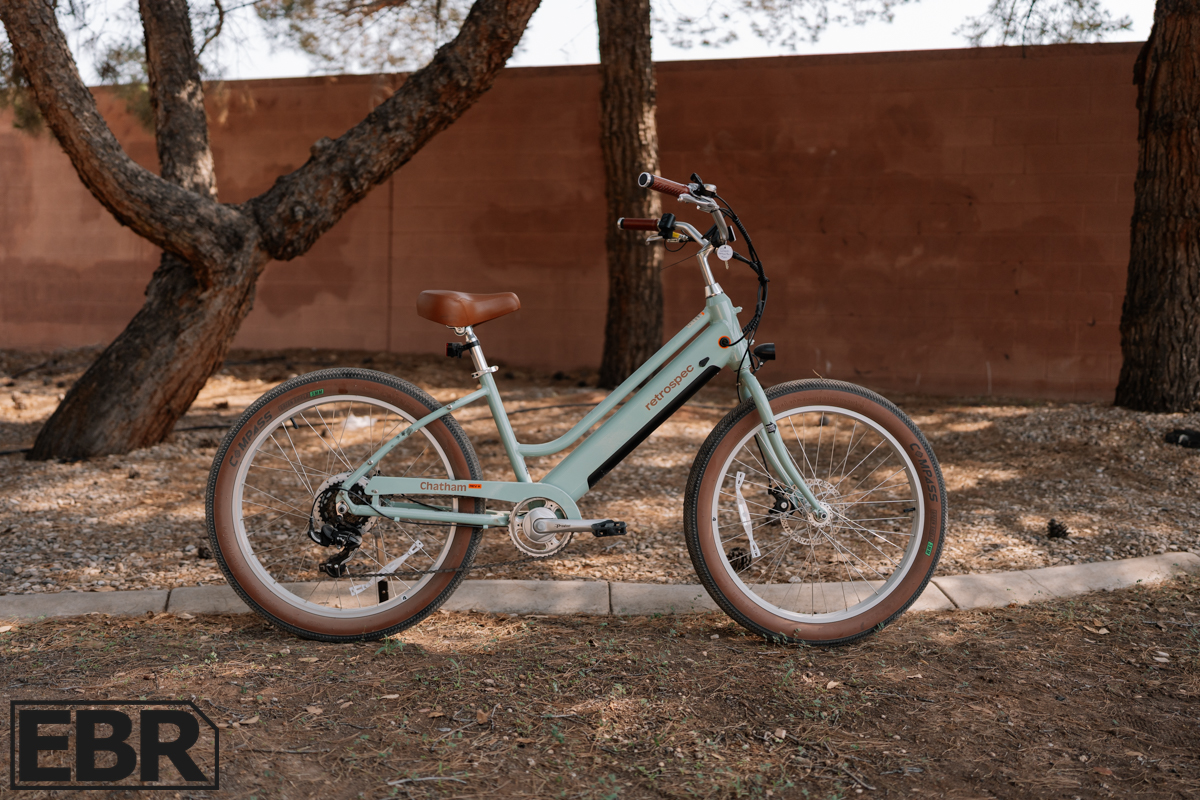
Retrospec sent over the Matcha Green colorway again, and honestly, I have no complaints about that. It is still one of the better color executions in this segment. The classic car lines, the swept back bars, the raw aluminum wheels catching light differently than the typical blacked-out hoops you see everywhere else, it all holds up.
The 26×3″ Compass tires with their tan sidewalls remain one of the best visual and functional details on this bike. They look like they belong on something from a different era, in the best way, and they back it up by soaking up road chatter with that wide, cushioned volume. I ran them down around 25 PSI and the ride comfort benefit over a rigid frame is real.
Getting on and off remains effortless. The step-through geometry puts the lowest point of the frame right around shin height, so there is no leg-swinging gymnastics required. For riders who deal with any balance or mobility considerations, that low entry is not just a convenience, it is a genuine feature.
Where the Rev+ 2 makes its clearest statement over its predecessor is under the hood. Peak output climbs from 600W to 770W as well, and while raw wattage numbers only tell part of the story, the Rev+ 2 does feel more composed climbing and more responsive pulling away from stops. Flat ground and moderate hills are handled without drama, and the throttle gets you to 20 mph from a standstill in just a few seconds. It’s not a speed machine, but it is a confident ride, and that feels right for a beach cruiser.
The new color display is a genuine upgrade over the monotone LCD on the original. It is easier to read and just looks more current sitting on what is otherwise a retro-styled bike. The Selle Royal saddle and rubber lock-on grips are small contact point improvements, but you notice them on longer rides where comfort accumulates or erodes in the details.
The 7-speed Shimano drivetrain covers the gearing range you need for varying terrain without overcomplicating things, which fits the personality of the bike. Push past the 20 mph assisted ceiling and you will notice some ghost pedaling, same as before, but that is a minor quirk rather than a real-world problem for the riding this bike is built for.
But here is the thing: none of that dims what the Chatham Rev+ 2 actually is. It is a bike that makes you feel like a kid again. As someone who spends too much mental energy on FTP targets, cadence data, and fueling strategies, all of that evaporates the moment I roll onto the street on this thing. It is comfortable, it is playful, and it puts a genuine smile on your face. That is the Chatham. That has always been the Chatham. The Rev+ 2 just delivers that feeling with a smarter motor underneath it.
Range
Estimated Range (from Retrospec):
- Up to 75 miles
Real World Range Test Results:
- Turbo Mode: 26 miles
- Eco Mode: 55 miles
Retrospec advertises the range of the Chatham Rev+ 2 as being “up to 75 miles.” As usual, we opted to test this by running two separate range tests, the first on the highest pedal assist level and the second on the lowest, with a night’s rest and full charge in between.
On maximum pedal assist, we were able to cover 28 miles before the battery tapped out.
After a full recharge and a night of sleep, we headed out on the second test, this time on eco mode using the least amount of pedal assistance available. On this run, we covered 56 miles before the battery finally waved the white flag.
When looking at the “why” behind falling short of 75 miles, for me, after range testing so many bikes, it mostly comes down to the motor sensor. With a cadence sensor, the motor gives all-or-nothing power once the pedals start rotating. The cadence of the pedals initiates and maintains power as long as they’re turning. On a range test, we just pedal until the bike dies.
A torque sensor, on the other hand, dynamically delivers power based on the effort the rider gives. Pedal softer and slower, and you get lower power output. Speed up and pedal harder, like accelerating or hitting a hill, and the power increases to match that perceived effort. Because a torque sensor can feather its power output to match the rider, it ultimately uses less watts per mile than a cadence sensor. So the results we got do make sense when you zoom out and look at the power delivery here.
While we fell short of the claimed “up to 75 miles,” we did get very usable real-world ranges from the Chatham Rev+ 2 ST. From weekend rides at the beach or hitting up the farmers market, to even using it as a commuter bike a few days a week, you get a very usable range that most people will find more than enough.
Power (Motor & Battery)
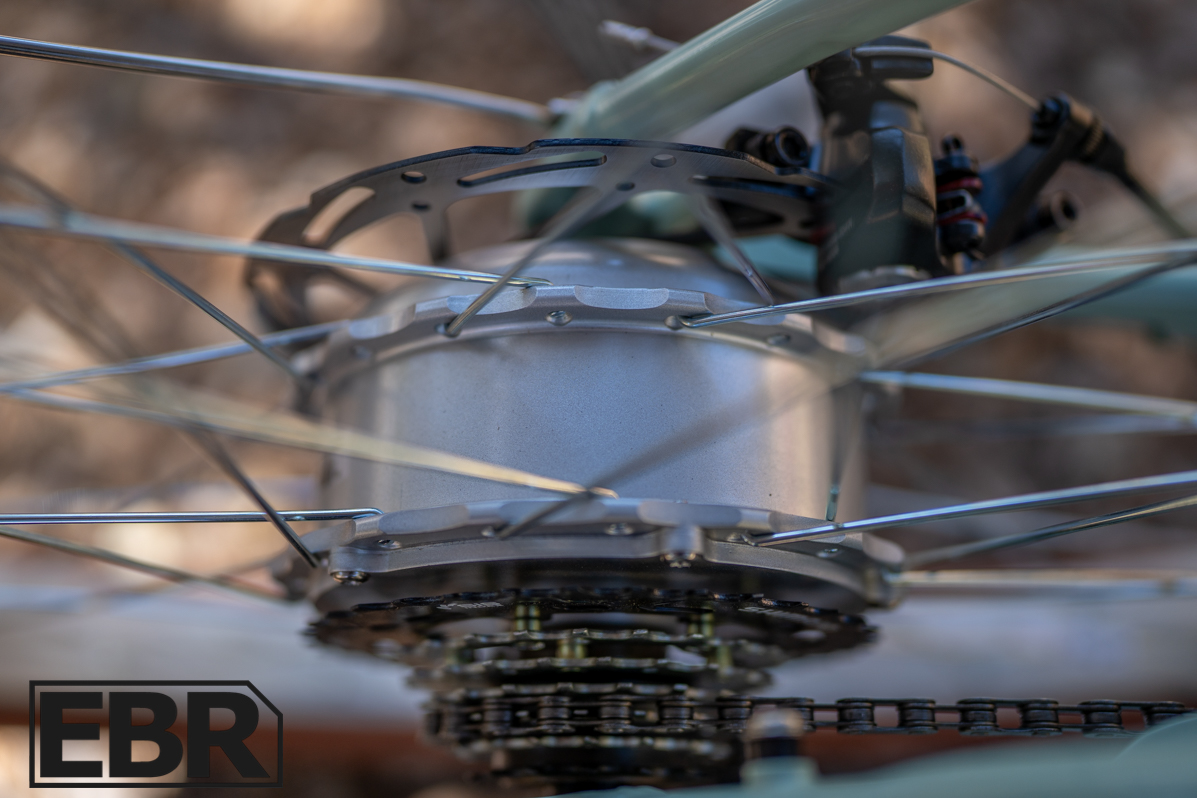
The big news on the Rev+ 2 is the swap to a new Ananda 500W rear hub motor, and the numbers are a solid step up from the original. Peak output climbs from 600W to 770W, and torque bumps from 55Nm to 65Nm. More ceiling, more grunt, same beach cruiser wrapper.
Like the original, the Rev+ 2 runs a cadence sensor, so assist kicks in once the cranks start spinning and cuts when they stop. It is all or nothing in terms of how it engages, but the way Retrospec has tuned the pedal assist levels adds some nuance to how the system behaves day to day. Each PAS level has its own speed cap built in, so Eco mode will help you along but cuts out around 10mph, while Turbo mode opens things up all the way to the 20mph assisted ceiling. It is a practical way to manage range and effort without overcomplicating things, and once you find your preferred mode for a given ride it just gets out of your way.
The original Chatham had this entertaining habit of climbing better than its spec sheet suggested it should, and with more peak power and torque on tap the Rev+ 2 continues that trend. It is not a rocket, but for a cruiser built around town riding and coastal paths it has more than enough to keep things fun.
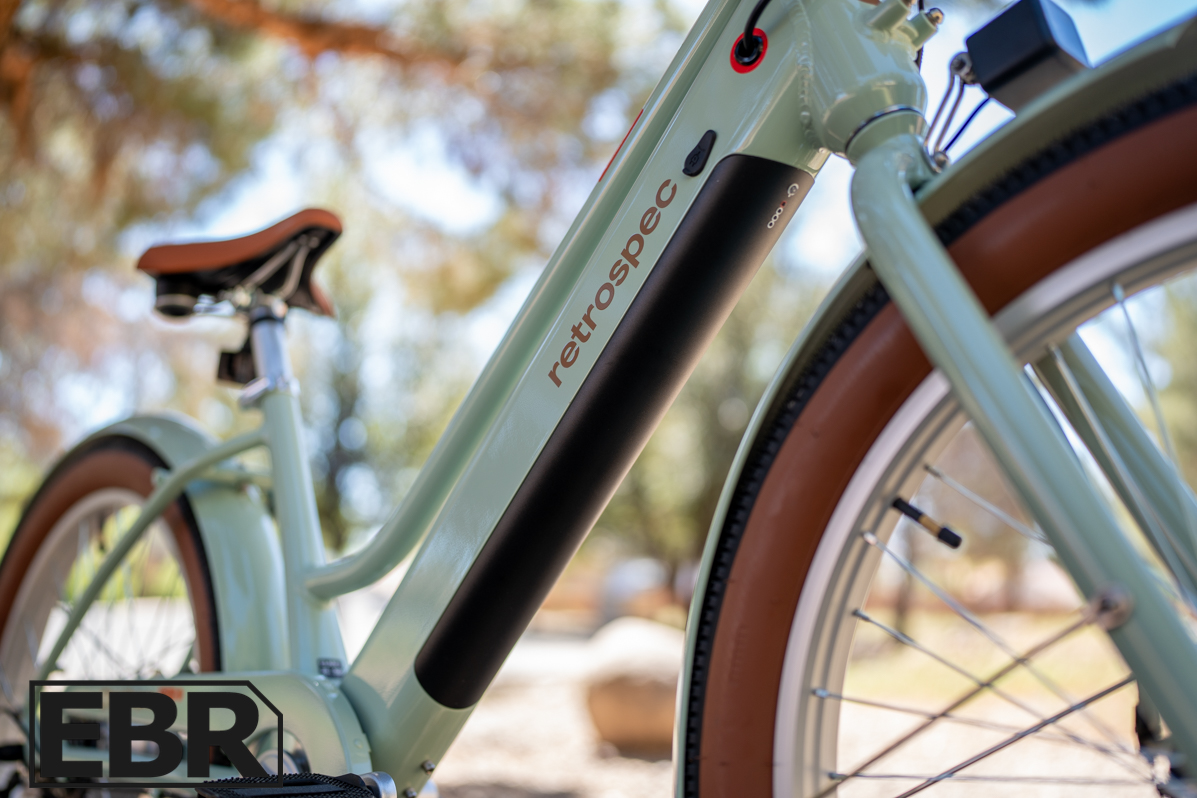
Battery carries over unchanged: a 48V, 10.4Ah pack good for 500Wh, locked into the frame with the included key. Pop it out in about five seconds for charging or storage. Clean, simple, no drama, which honestly fits this bike perfectly.
Components
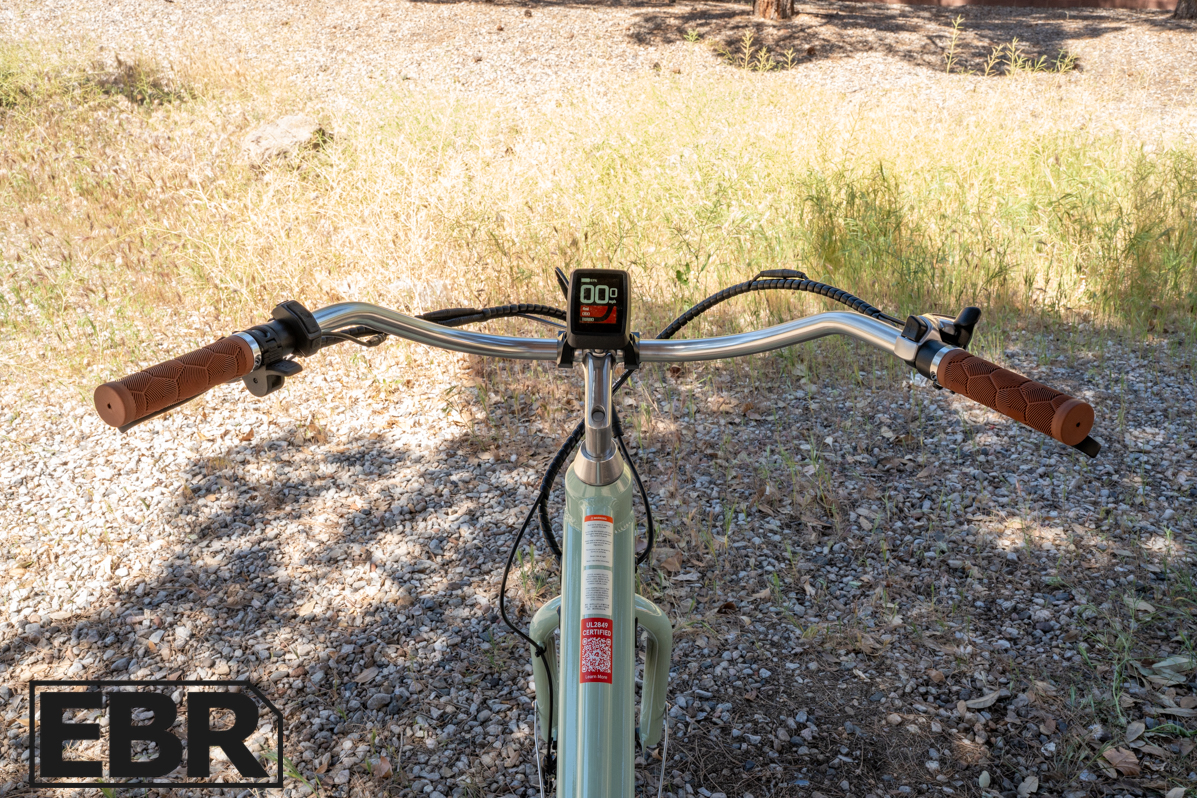
The cockpit features a traditional wide, swept-back cruiser bar with new softer rubber lock-on grips that feel great. The brake levers sit on either side, and on the left is a sleekly positioned bell to alert folks around you. In the center is the new color display.
Wheels and tires are a classic setup of 26″x3.0 Compass commuter tires with mild tread for speed and quiet rolls, and I happen to love the look of gumwall (or tan sidewall) tires.
Braking is handled by Tektro mechanical disc brakes with 2-piston calipers and 180mm rotors. Tektro makes solid hardware, and these stop the bike reliably every time. My gripe is not with the execution, it’s with the category. In 2026, there’s enough competition pushing hydraulic disc brakes into this price range that the confidence gap between mechanical and hydraulic has become harder to ignore. The Tektro setup gets the job done,I just wish it felt a little more decisive under hard braking.
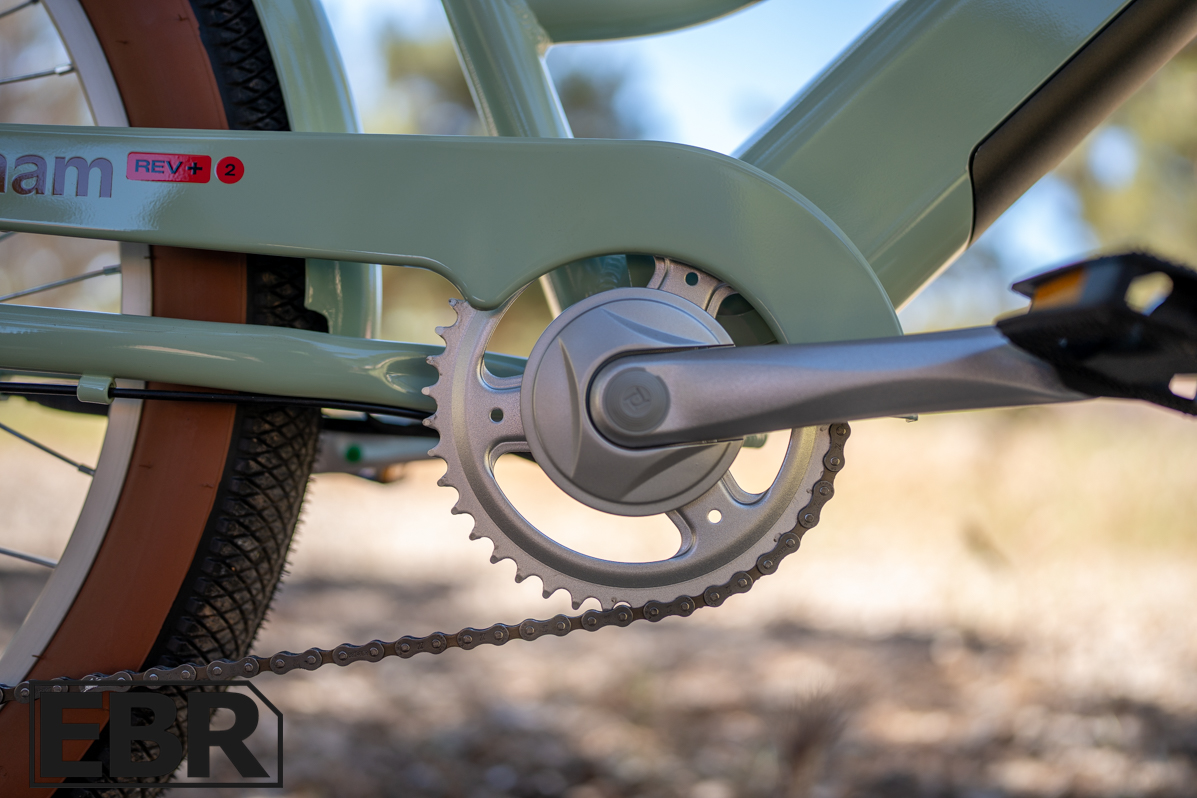
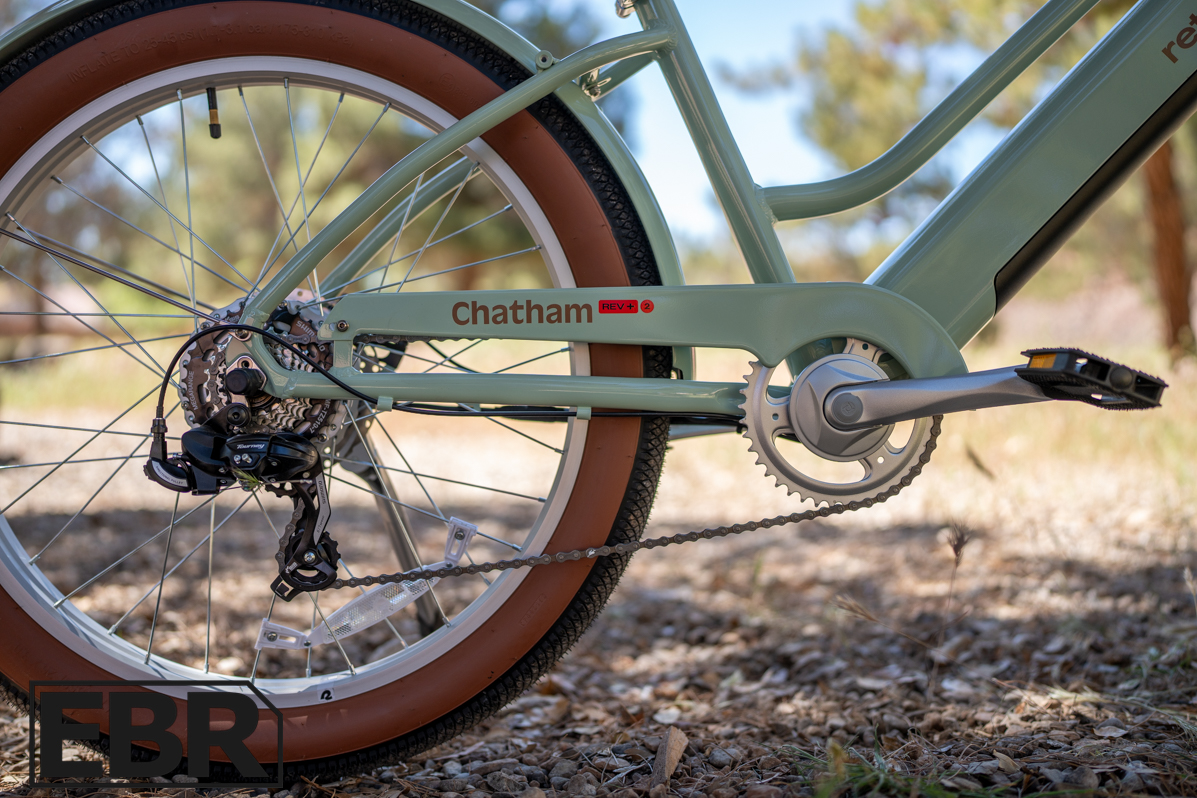
The drivetrain is a straightforward 8-speed Shimano setup with a Shimano Altus rear derailleur, a 14–34t cassette, a 42T chainring, and a 3-piece aluminum crankset with alloy cranks. Plus, a nice color-matched alloy chain guard, which we don’t see as often but looks great.
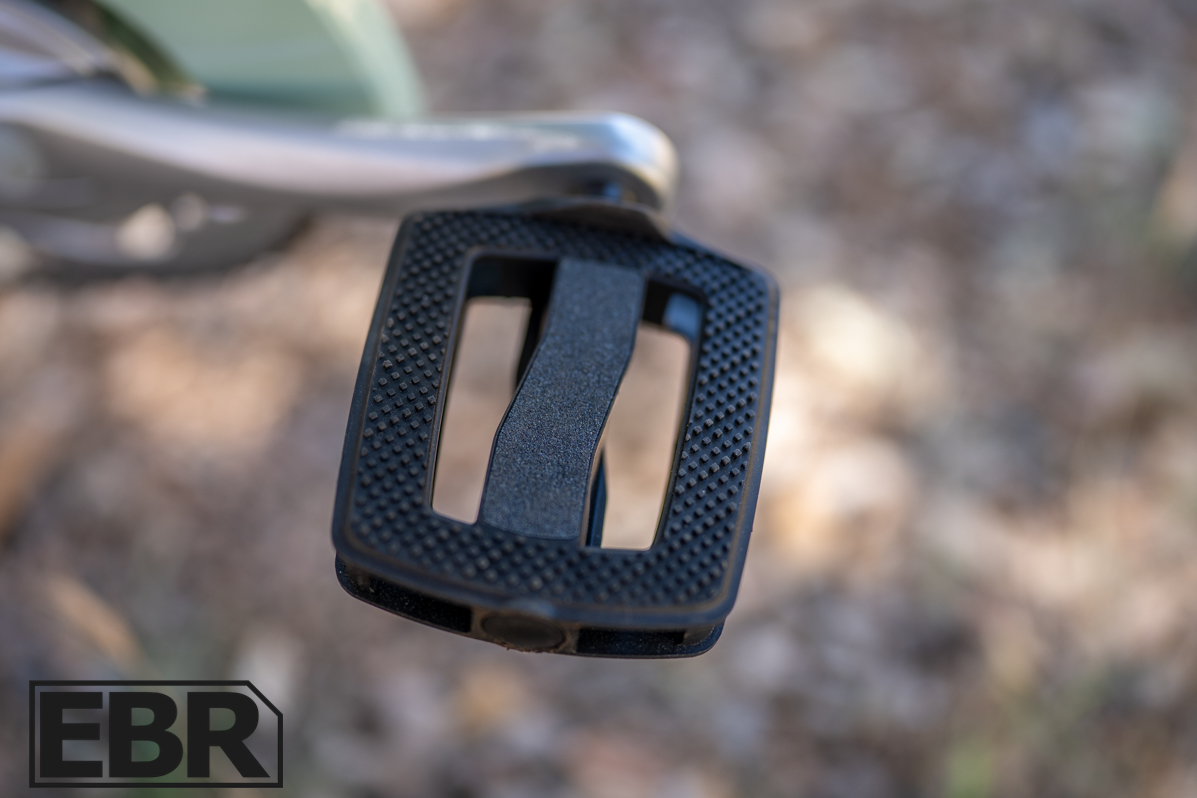
There’s a new saddle by Selle Royal that has a tan colorway, a more premium feel, and is very comfy. Pedals are a nice alloy platform pedal with reflectors and traction studs for the bottom of your shoes (or flip-flops).
Screen / User Interface / App
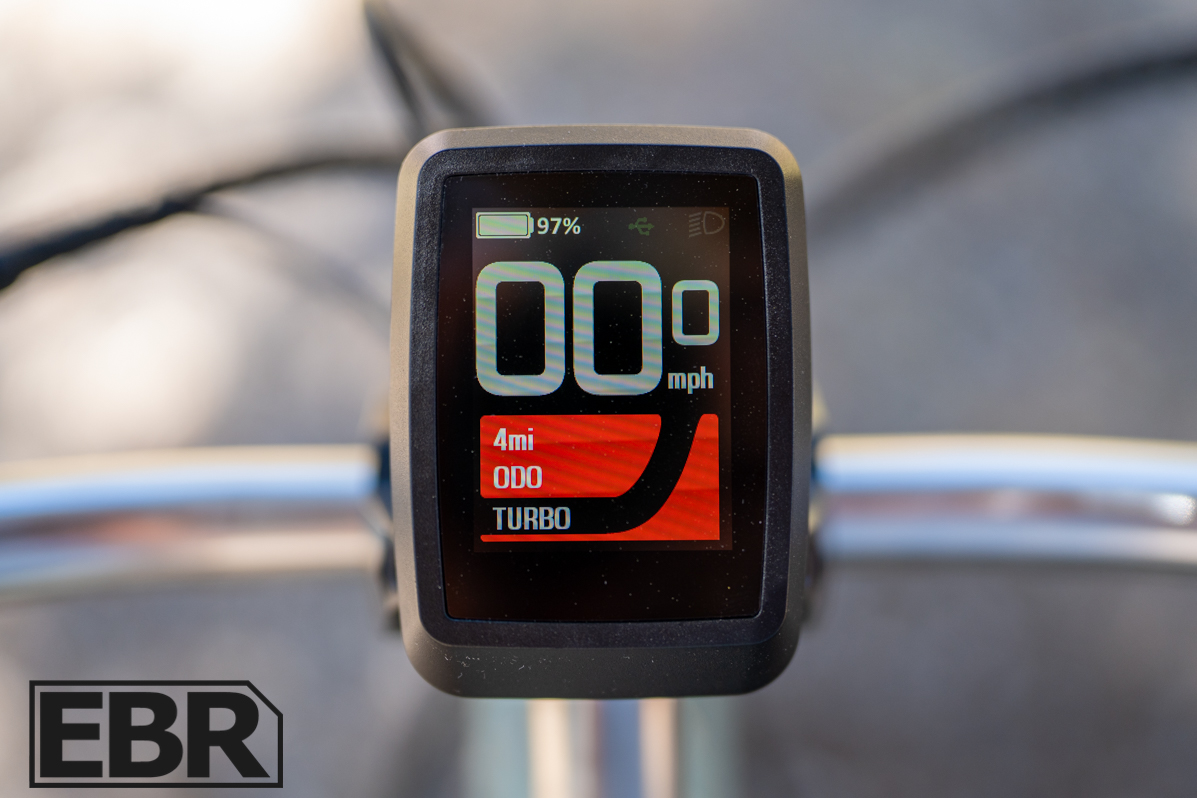
Retrospec ditched the monotone LCD from the original Chatham Rev+ and replaced it with a full color TFT display, which stands for Thin Film Transistor, essentially the same underlying technology you find in most modern phone and tablet screens. The practical upside is a brighter, sharper, more readable screen that just looks a lot more current sitting on the stem.
The home screen is clean and well laid out, with good color contrast making it easy to glance at while riding. All the essentials are right there: current speed, battery level, active pedal assist mode, odometer, and a headlight indicator that lets you know when the light is on. Nothing buried, nothing cluttered.
Tapping the center button cycles through additional data screens where things get a bit more detailed, pulling up trip timer, trip distance, max speed, average speed, and a handful of other useful metrics depending on what you want to track on a given ride. Holding the plus and minus buttons together for a few seconds drops you into the advanced settings menu where you can dig into deeper configuration options like wheel size, speed unit preferences, and other system level adjustments.
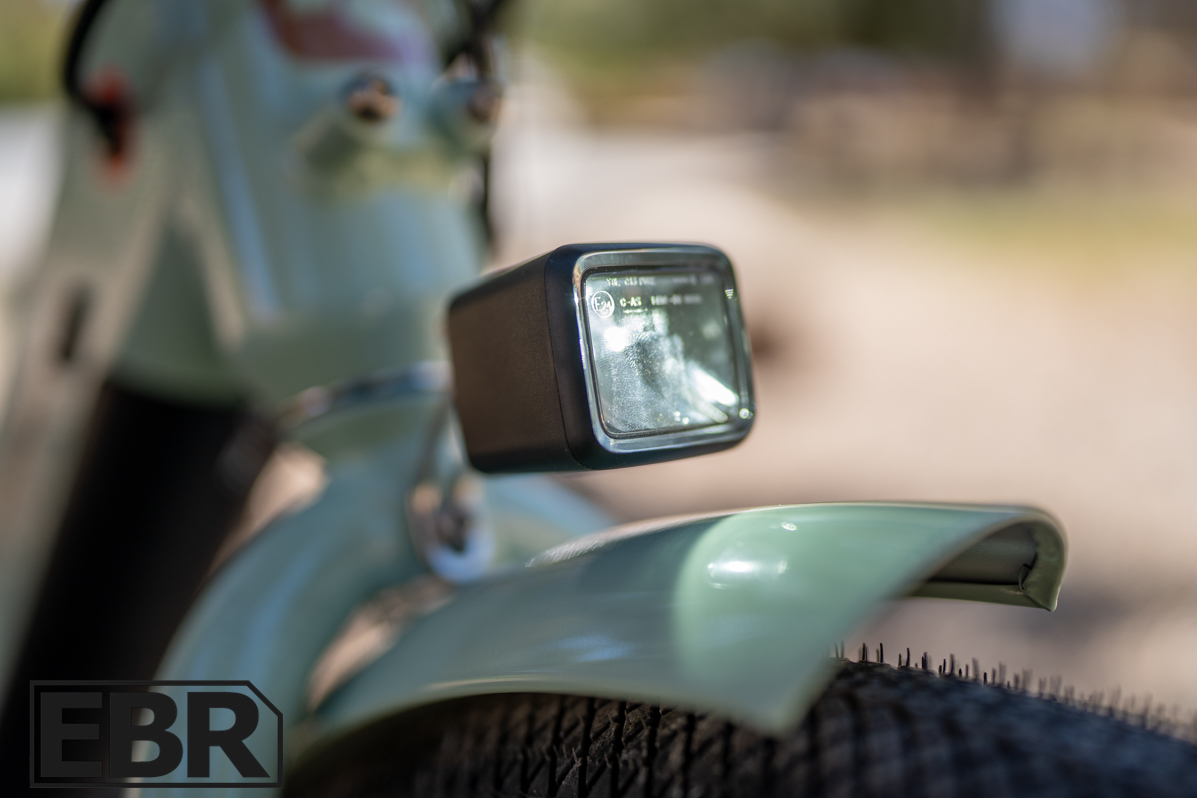
The usual shortcut controls are also here. Hold the plus button to toggle the headlight on or off, and hold the minus button to activate walk mode, which nudges the bike along at around 2.9mph so you can guide it without having to muscle the weight of the bike yourself. Useful in parking lots, tight spaces, or any time you just need the bike to move without you pedaling it.
Chatham Rev+ 2 ST Model Options
Shopping for the Chatham Rev+ 2 is refreshingly straightforward. There are no trim levels to decode, no feature matrices to cross-reference, and no upsell into a “premium” package.
The first real decision you’ll make is frame style. The Step-Through comes in a 16″ frame with a 24″ standover height, making it easy on and off regardless of your mobility and fits a range of 5’ 2” to 6’ 1”. The High-Step version bumps up to an 18″ frame with a 32″ top tube standover, a more traditional silhouette for riders who prefer that look or want a little extra stiffness in the front triangle, and that one fits riders from 5’ 7” to 6’ 4”.
Color selection splits by frame style, which is worth knowing before you fall in love with a finish. The High-Step comes in Matte Black, Matte Olive Drab, and Matte Graphite. The Step-Through, which is what you’re looking at in this review, opens up a bit more personality with four option, Matte Black, Matcha Green as shown in this review, an Eggshell that reads as a soft off-white or light beige depending on the light, and Mauve for a muted pink tone. Matte Black is the one color that crosses both versions if you want to keep your options open while deciding on frame style.
Out of the box, the Rev+ 2 ships with a 2A charger, battery lock keys, and now comes standard with a wired-in taillight with braking indicator as well. Should you want some more options, Retrospec keeps the accessory options open at checkout if you want to build the thing out. Helmets, locks, cargo solutions and even some kid or pet carriers.
Is The Chatham Rev+ 2 ST Worth Buying?
The Chatham Rev+ 2 is not trying to be something it is not, and that is honestly part of what makes it easy to like. Retrospec took a formula that already worked, gave it a more powerful and torquier motor, cleaned up the display, improved the contact points, and sent it back out into the world. Job done.
Are there things I would change? Sure. Mechanical disc brakes do the job and Tektro is not a brand to dismiss, but in a market where hydraulic discs are increasingly showing up at this price point they are starting to feel a little behind the times. I would also love to see bottle cage mounts on a bike this clearly built for leisurely all day rides, because nothing breaks the cruiser mood quite like stopping to dig a water bottle out of a bag. Small gripe, but a real one.
But here is the thing, none of that changes what this bike actually is when you are out riding it. It is comfortable, it turns heads, it makes every errand feel a little more enjoyable than it has any right to, and it delivers that pure, uncomplicated joy of just riding a bike without overthinking it.
If that sounds like what you are after, the Chatham Rev+ 2 is going to put a smile on your face every single time you roll it out of the garage. Sometimes that is really all you need.




Reader Interactions